About Football
``Football is one of the most effective sports for developing overall physical fitness, combining endurance, speed, strength, agility, and coordination in a dynamic, fast-moving game. Continuous play, frequent sprints, and constant changes of direction ensure high cardiovascular activity while also improving balance, reflexes, and lower-body strength.
For schools, clubs, and communities, football offers exceptional value due to its simplicity, adaptability, and universal appeal. It can be played on fields of varying sizes, indoors or outdoors, and easily modified for different age groups and skill levels. Beyond physical benefits, football fosters teamwork, discipline, strategic thinking, and resilience, making it an ideal sport to encourage mass participation, nurture talent, and build a strong, inclusive sporting culture.``
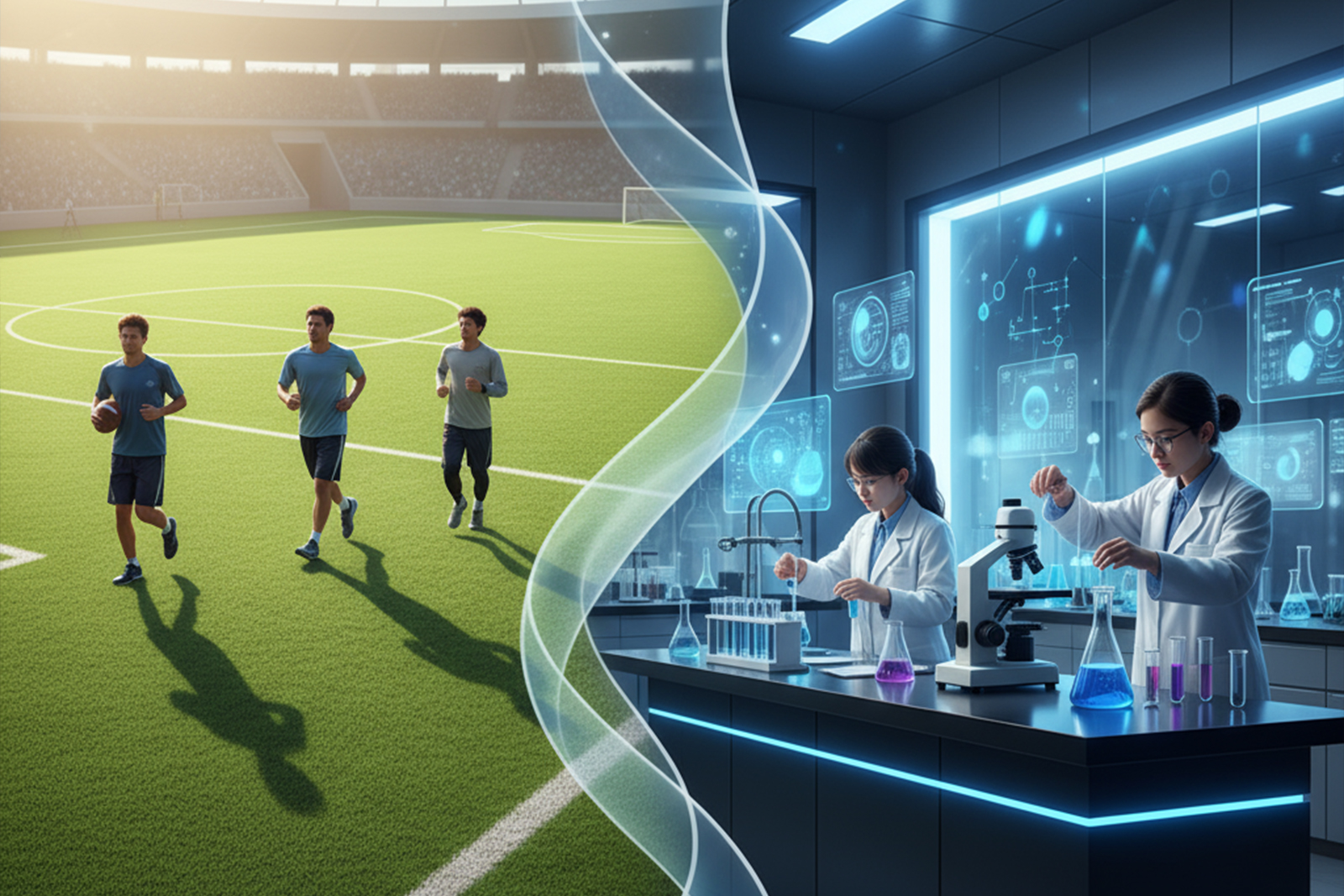
Our Best Products for Football Ground
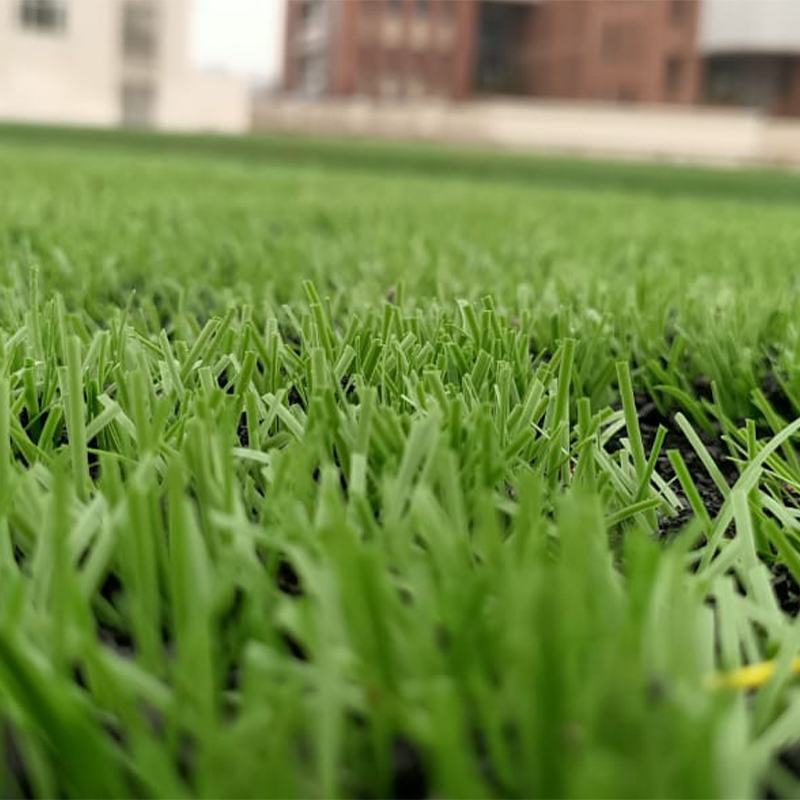
Astroturf
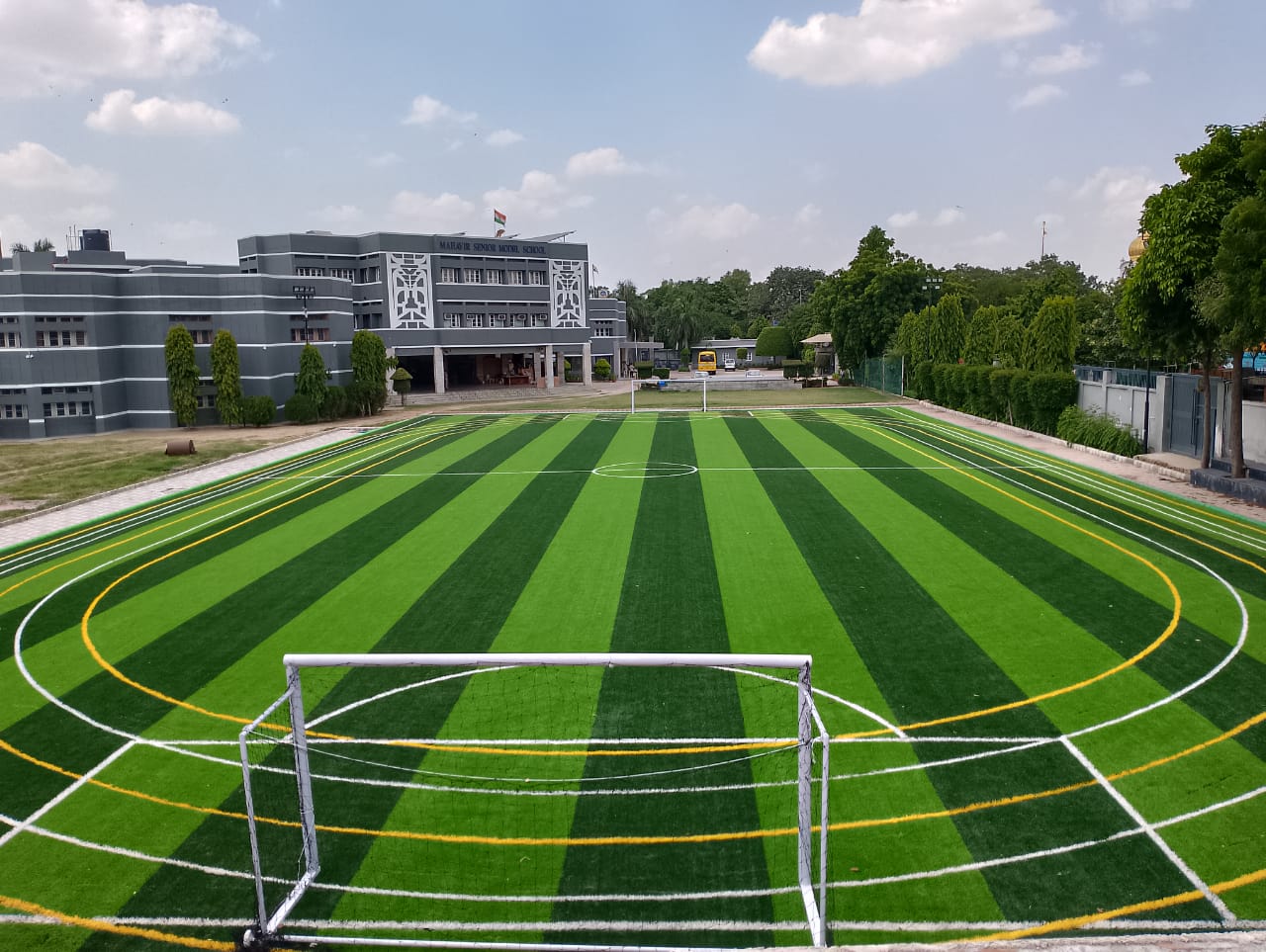
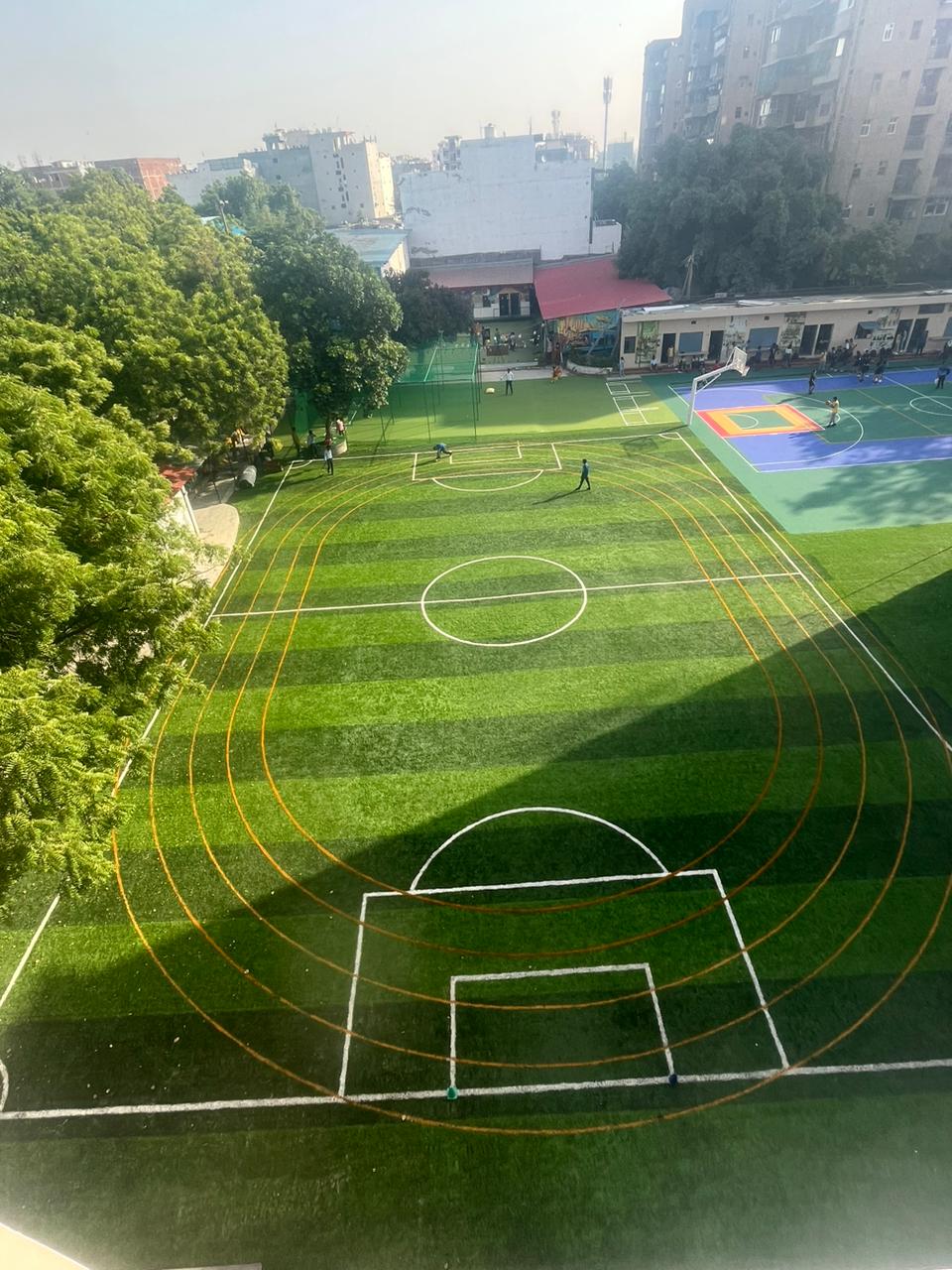
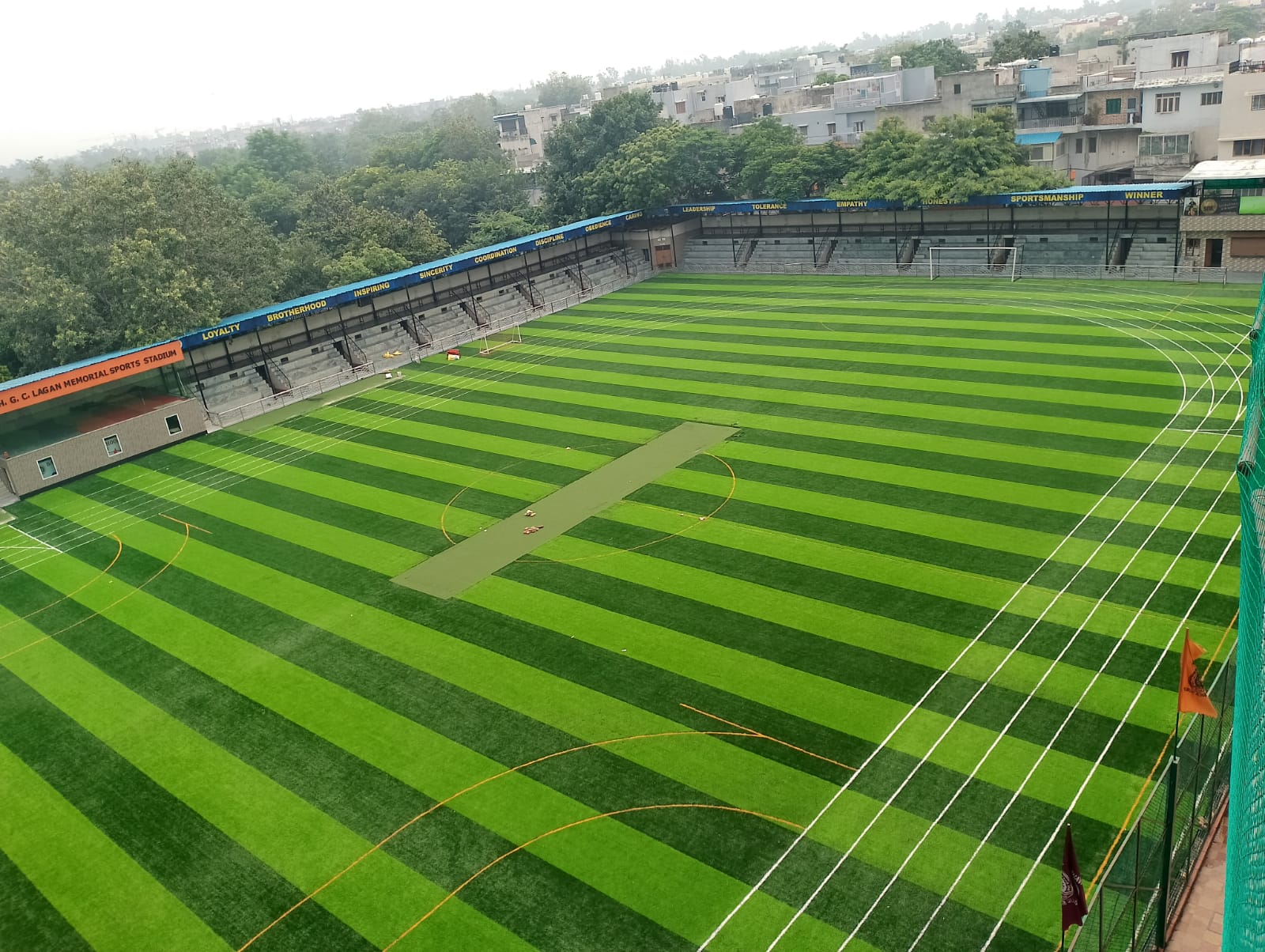
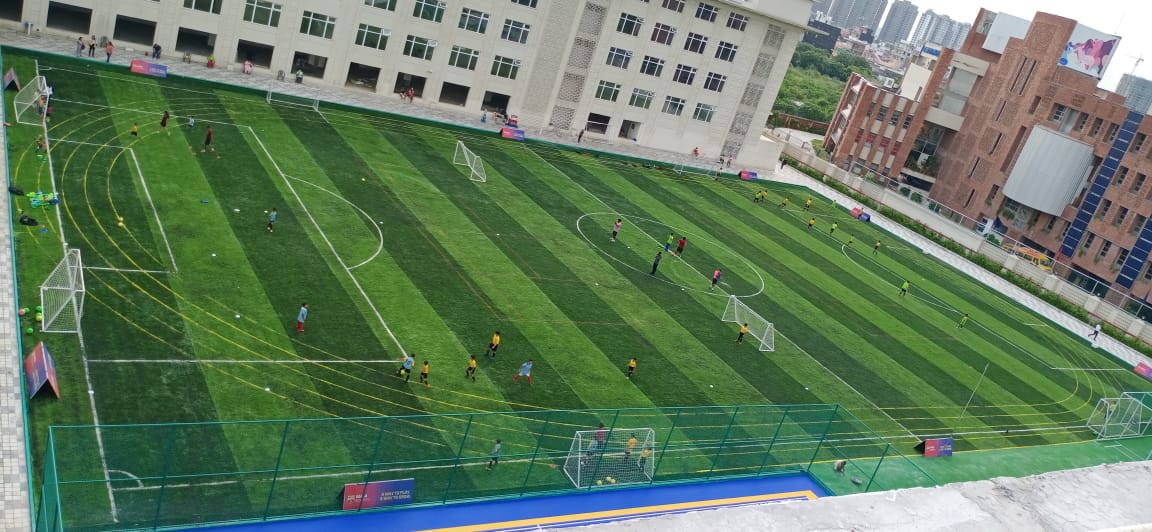
High-performance football turf engineered to replicate the feel and playability of natural grass while delivering excellent traction, shock absorption, and consistent ball roll. Designed for intensive use with minimal maintenance, ensuring durability, player safety, and all-weather performance.
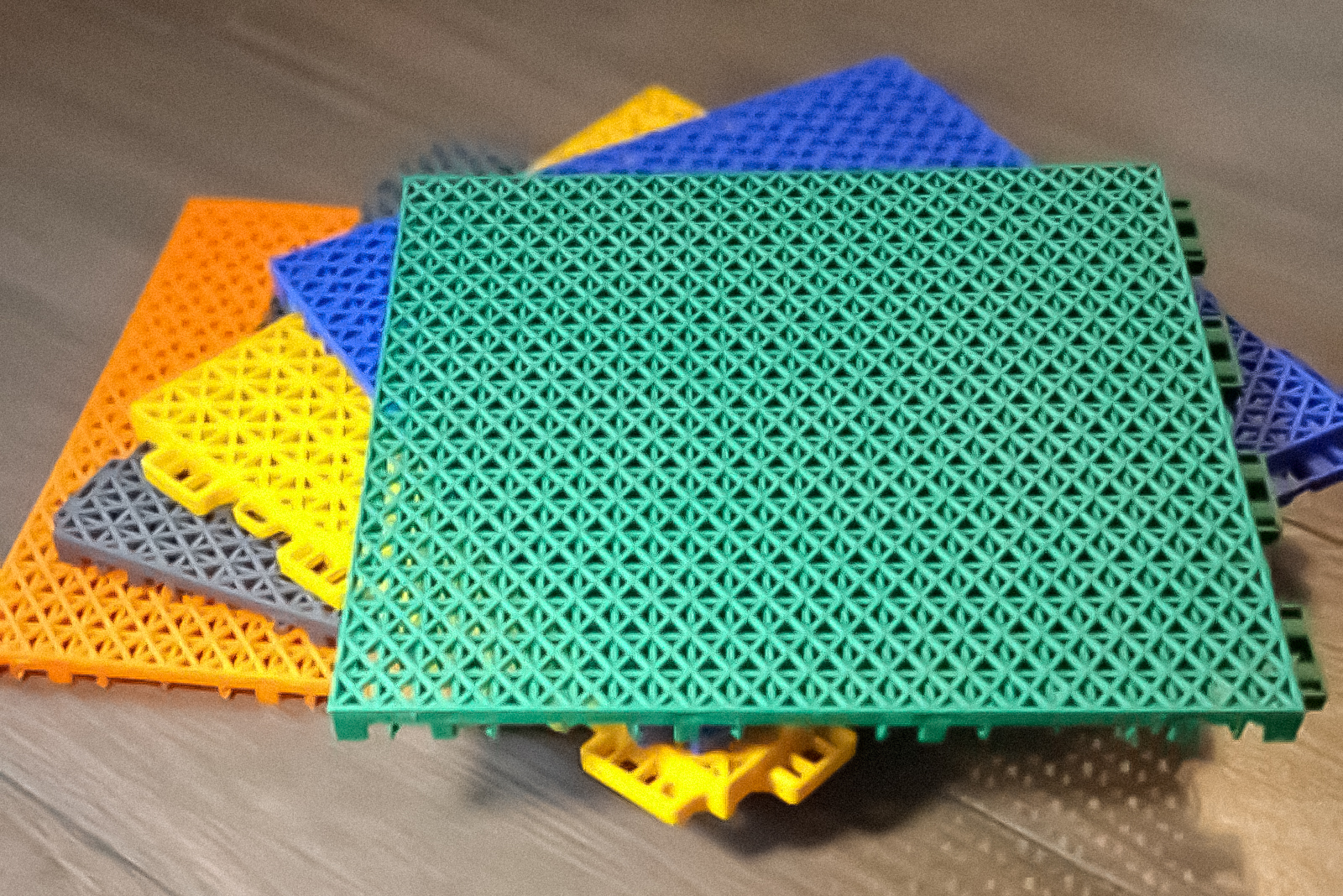
PP Tiles
Modular PP tiles designed for football training and recreational play, offering a stable, slip-resistant surface with effective drainage. Easy to install and replace, these tiles provide uniform footing, long service life, and low maintenance, making them ideal for multi-use and community sports areas.
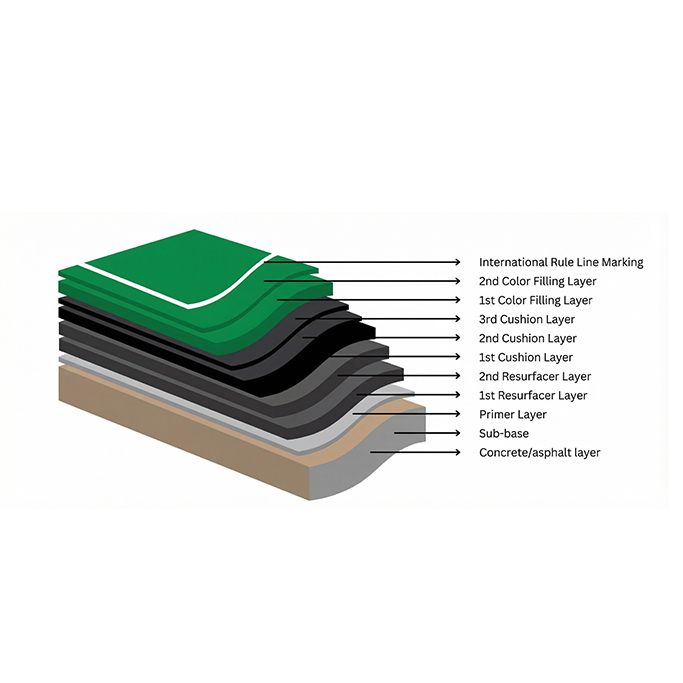
Acrylic Surface
Durable acrylic-coated football surface engineered for speed, grip, and uniform play conditions. Suitable for small-sided and training courts, it delivers a hard-wearing, weather-resistant finish with consistent performance, ideal for schools and urban sports facilities.
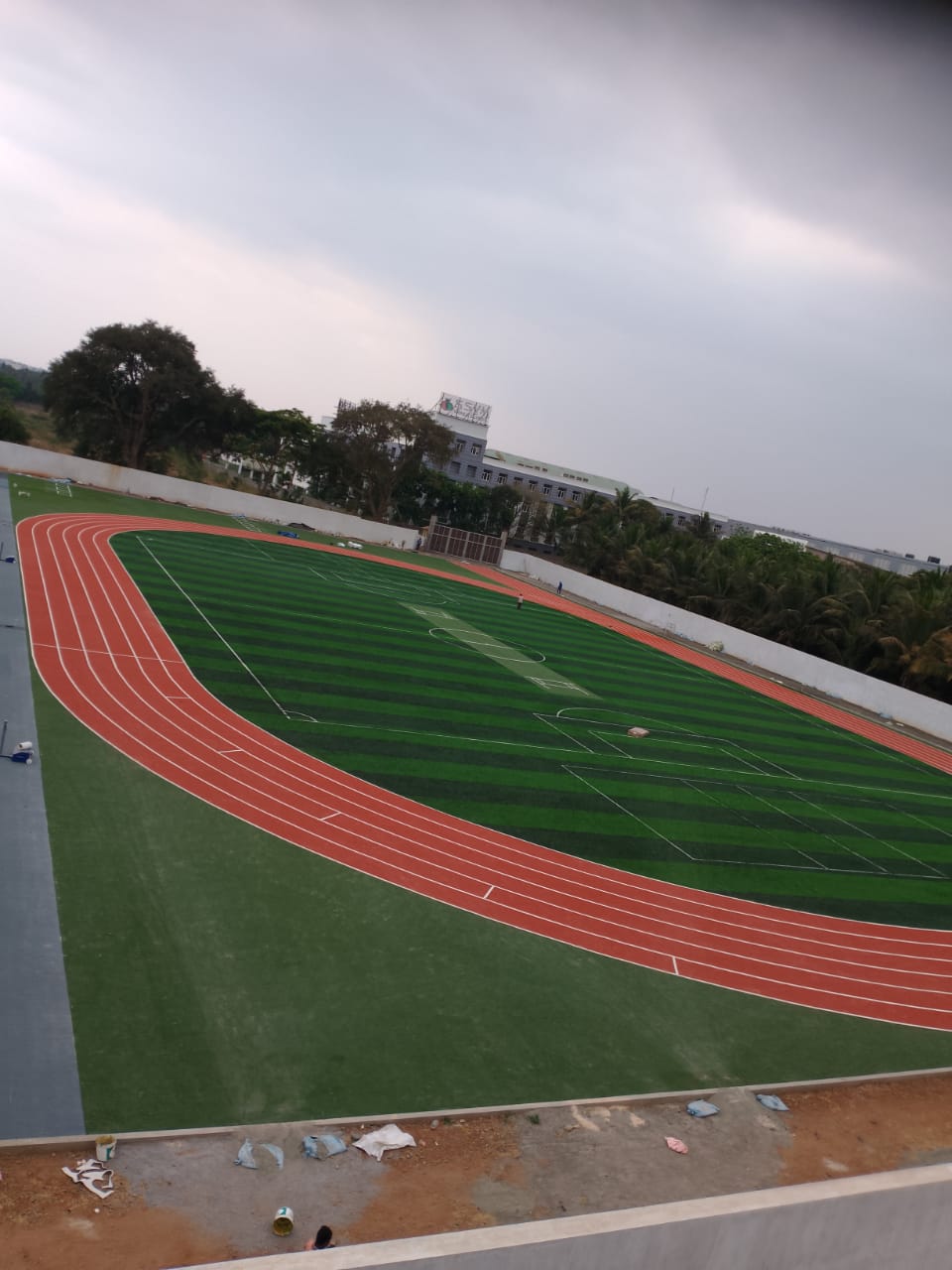
Gallery of featured work
Frequently asked questions
1. What is the difference between turf, PP tiles, and acrylic surfaces?
Artificial Turf : Provides a balance of grip, cushioning, and consistent play, suitable for football.
PP Tiles: Modular, durable, and low-maintenance, mainly used for multi-sport recreational areas.
Acrylic: Hard, seamless surface designed for sports like tennis or basketball, with limited suitability for football.
2. Which surface requires the least maintenance?
PP tiles generally require the least maintenance. Artificial turf also has relatively low maintenance needs compared to natural grass, which requires regular watering, mowing, and upkeep.
3. How long does a football surface last?
Artificial Turf: 5–12 years depending on qualitu usage and maintenance
PP Tiles: 10-15 years
Acrylic: 2–5 years with periodic resurfacing
Natural Grass: Ongoing maintenance with periodic re-turfing
4. Which turf height is recommended for football?
50mm Turf: Suitable for football-focused grounds with better cushioning and play characteristics.
15mm Turf: Used in multi-sport or smaller recreational spaces.
5. How does usage frequency impact surface selection?
High-usage grounds (daily play, multiple batches) require more durable and resilient systems. Lower usage allows for more flexibility in choosing surfaces based on budget or multi-sport needs.
6. How important is the base construction compared to the surface?
The base is critical—it directly impacts surface life, drainage, and playability. Even the best surface will fail if the base is not properly constructed.
7. What base is required under a football turf?
A strong and well-leveled base is critical for performance and durability. Typically, a combination of compacted sub-base (stone aggregates) and a leveling layer is used to ensure proper drainage and stability.