About Running track systems
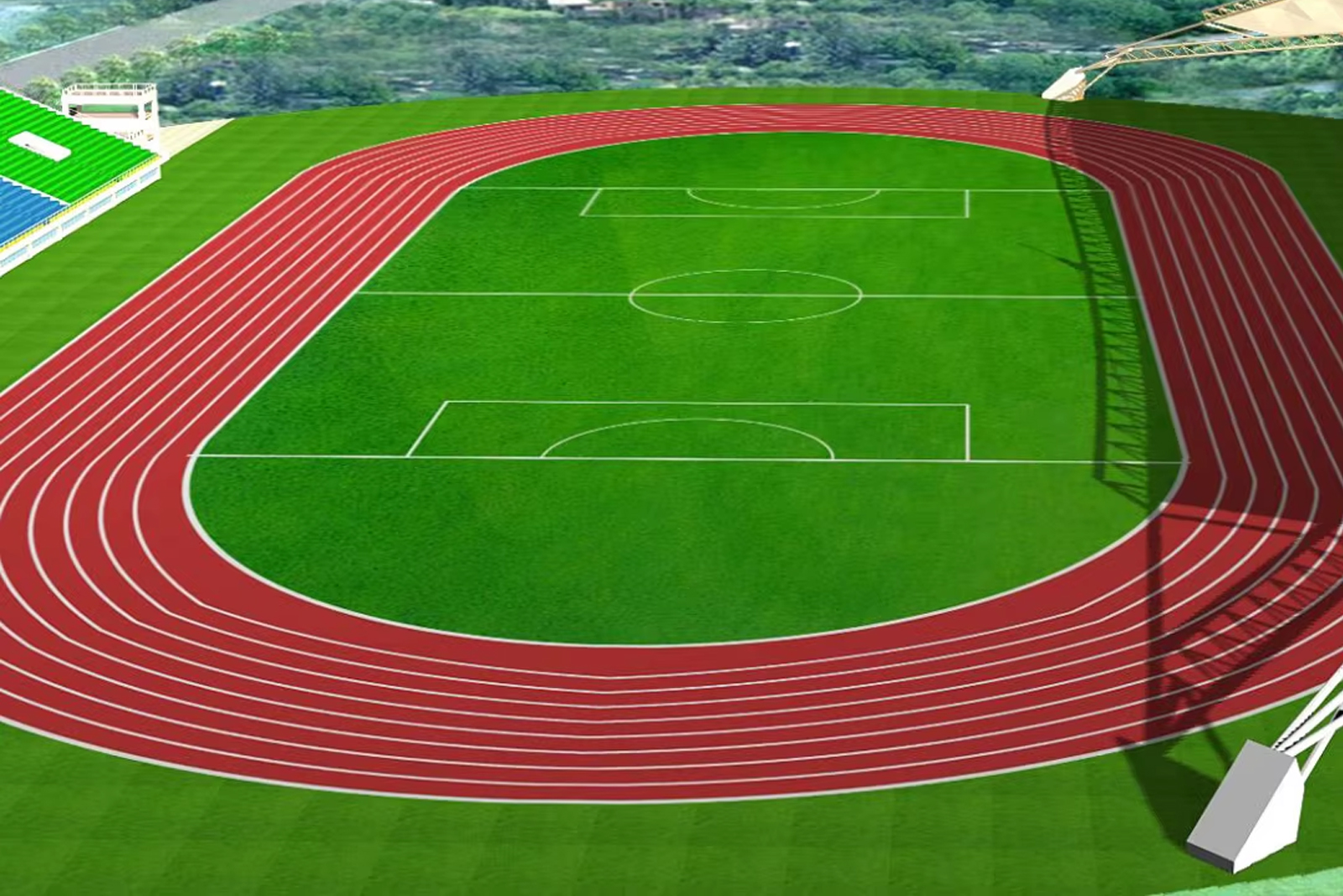
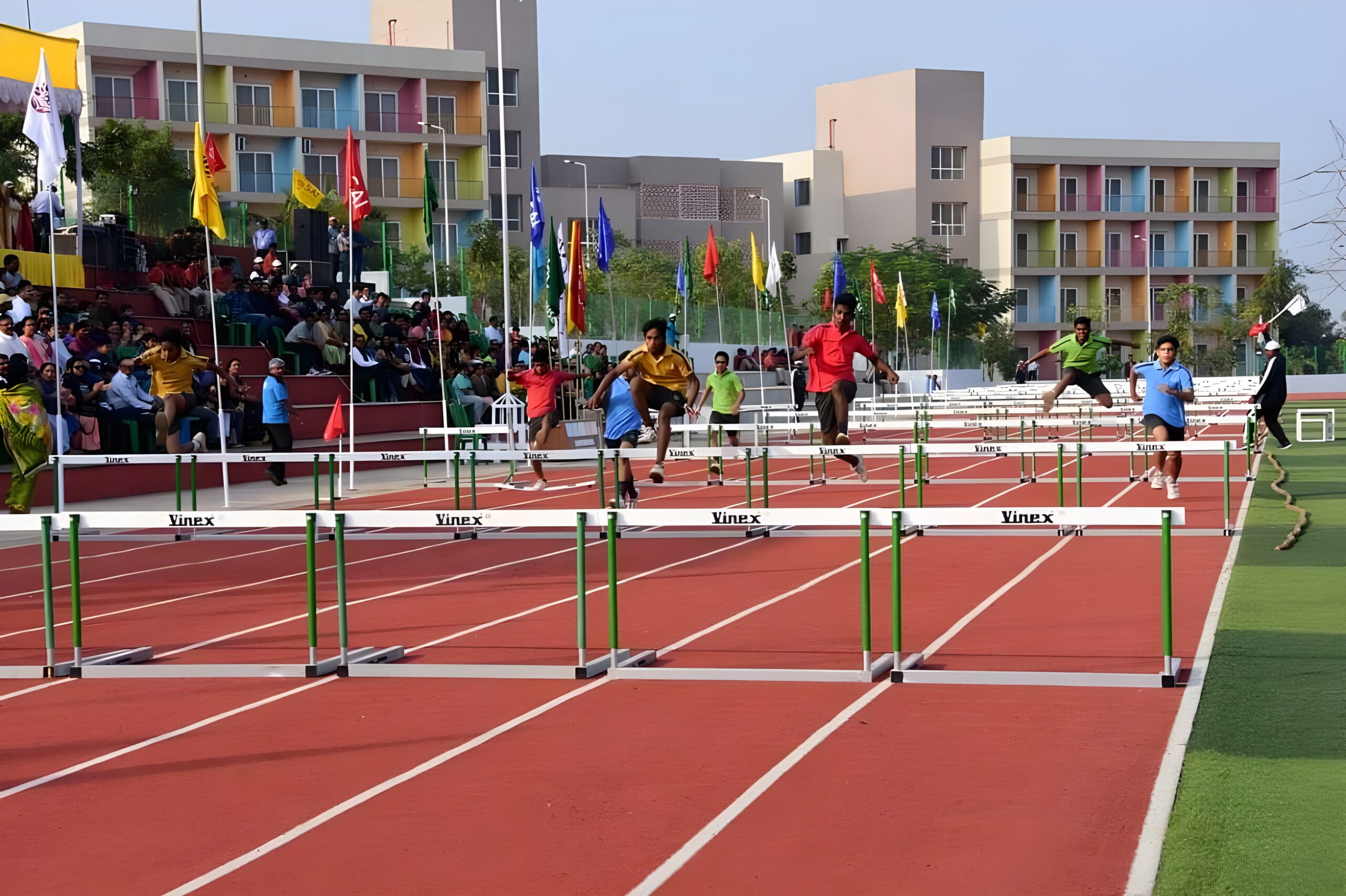
Synthetic Running Tracks are high-performance athletic surfaces made from advanced polyurethane and EPDM rubber systems, engineered to deliver the ideal balance of speed, comfort, and durability. Designed to provide optimal shock absorption and energy return, these surfaces reduce athlete fatigue while enhancing performance. Their seamless, resilient structure ensures consistent traction and spike grip, creating a safe and professional environment for training and competition.
Available in specialized systems such as Spray Coat, Sandwich, and Full PUR, synthetic tracks can be tailored to suit school, institutional, and professional requirements. These systems are used in facilities ranging from grassroots training centers to international stadiums, and can be installed in compliance with World Athletics standards, making them suitable for competitive and certified events.
Unlike traditional cinder or asphalt tracks, polyurethane running tracks offer superior weather resistance, maintaining performance across heat, rain, and varying climates. Their all-weather usability ensures minimal downtime. With excellent spike resistance, low maintenance requirements, and a lifespan of 8–15 years depending on the system, synthetic running tracks provide a reliable, long-term solution for modern athletic infrastructure, combining performance excellence with lasting value.

Our Best Products for Running track systems
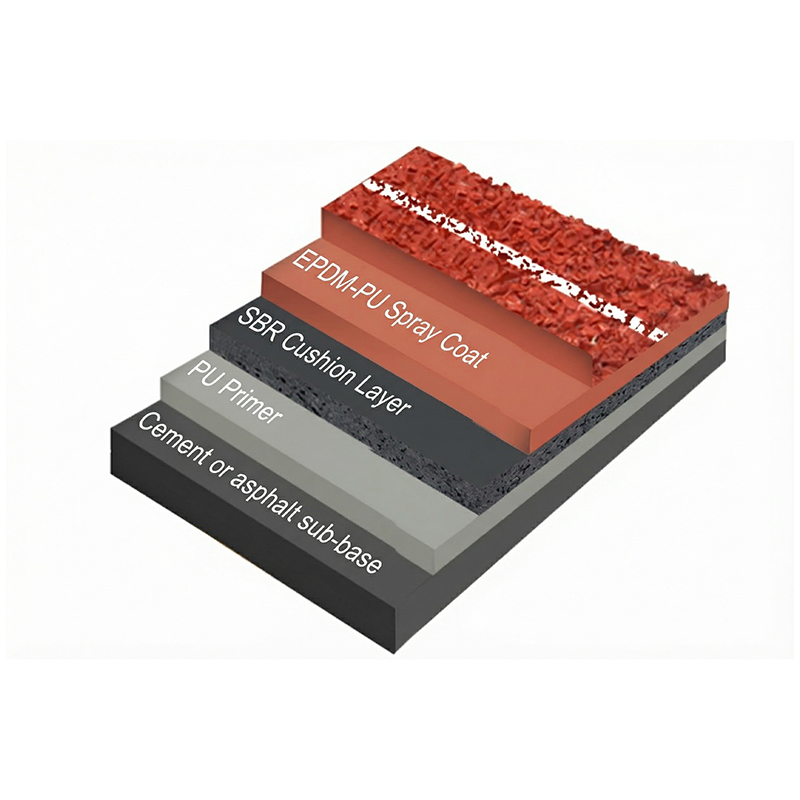
Spray System
System Thickness : 10–13mm
Base Layer – SBR Rubber Granules bound with Polyurethane
Top Layer – Textured Polyurethane Spray with EPDM Granules
Surface Type – Seamless, Anti-skid, Spike Resistant
Use Case – Schools, Colleges, Training Facilities, Jogging Tracks
Certification – IAAF
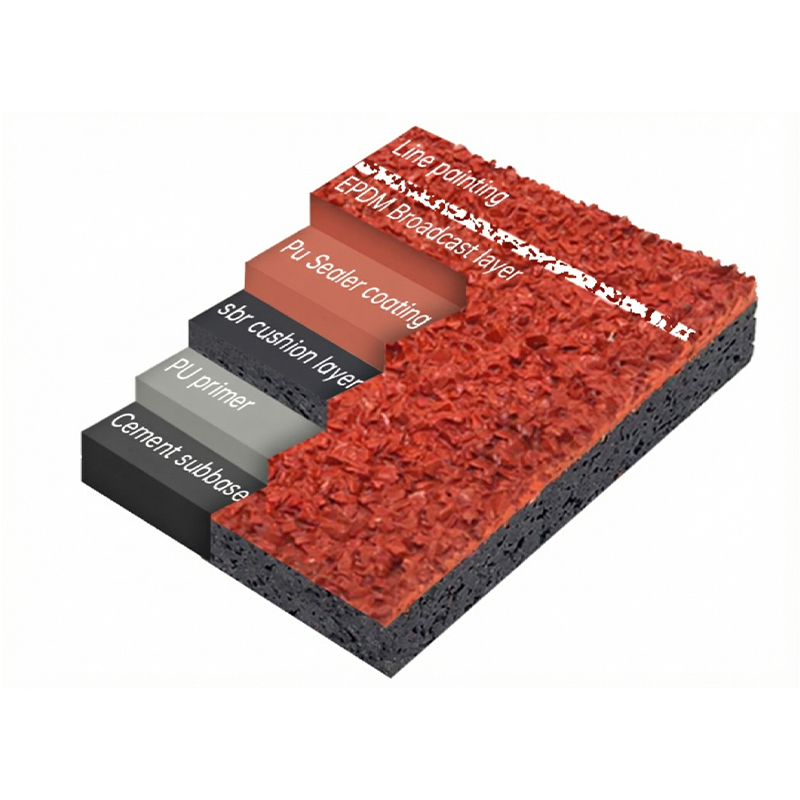
Sandwich System
System Thickness : 13–15mm
Base Layer – SBR Rubber Granules bound with Polyurethane
Intermediate Layer – Polyurethane sealing layer
Top Layer – Broadcast EPDM Granules with Polyurethane coating
Surface Type – Seamless, High Spike Resistance, Enhanced Durability
Use Case – Schools, Universities, District and State-Level Stadiums
Certification – IAAF
Certification - NA
Full PUR
System Thickness : 13–15mm
Base Layer – Full Polyurethane Base Layer
Intermediate Layer – Elastic Polyurethane cushion layer
Top Layer – EPDM Granules with Polyurethane binder
Surface Type – Premium Seamless Structure with Maximum Elasticity
Use Case – Professional Stadiums, National and International Competition Tracks
Certification – IAAF
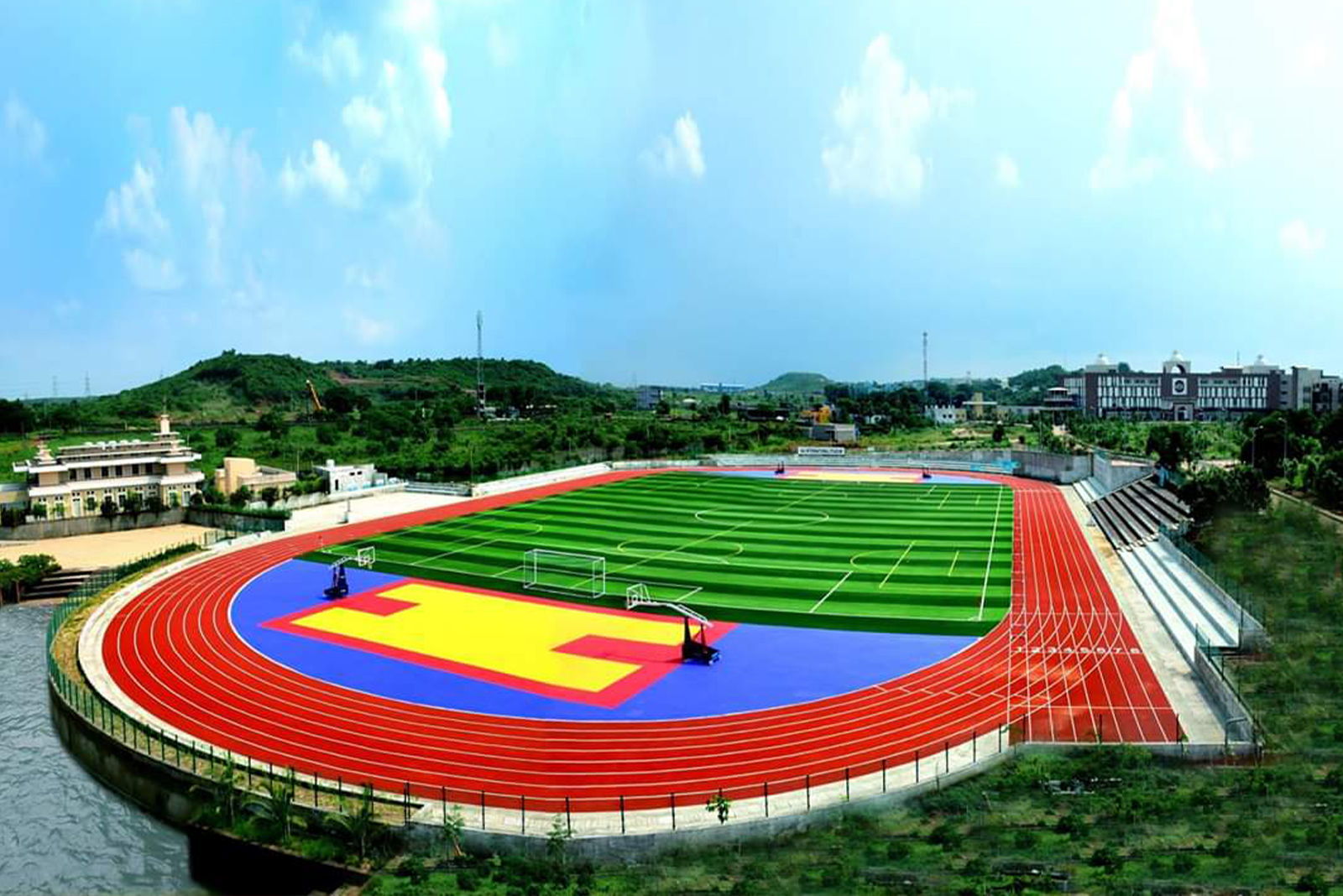
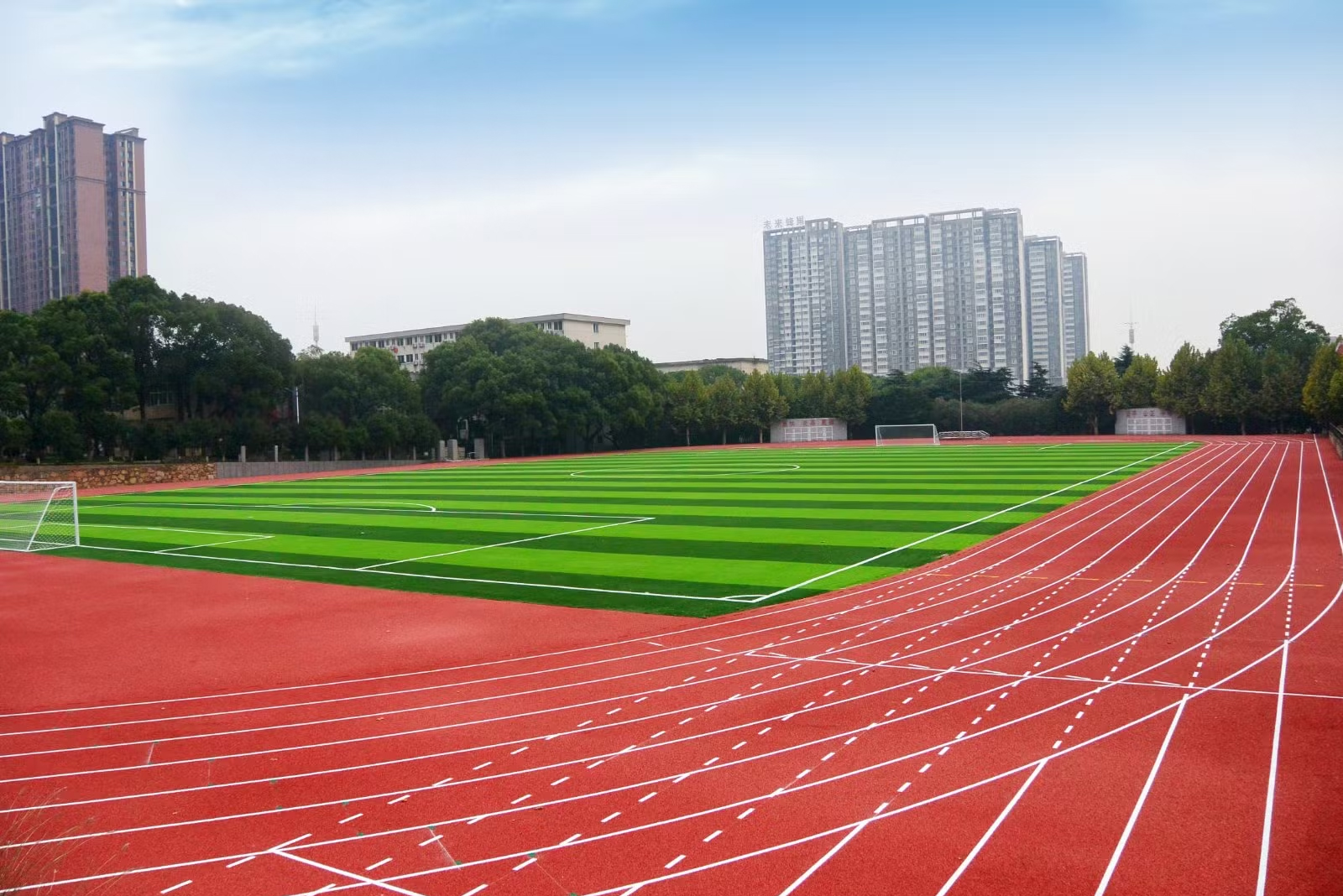
Gallery of featured work





Frequently asked questions
1. What are the different types of synthetic running track systems?
The most common systems are Spray Coat, Sandwich, and Full PUR (Polyurethane). Each system varies in thickness, durability, and performance characteristics. The choice depends on usage level, budget, and certification requirements
2. What is a Spray Coat running track system?
A Spray Coat system consists of a rubber base layer topped with a textured polyurethane spray layer. It offers good performance and durability at a cost-effective price. It is ideal for school and training-level tracks.
3. What is a Sandwich running track system?
A Sandwich system includes a base rubber layer sandwiched between polyurethane layers with EPDM granule broadcast on top. It provides better spike resistance and durability than spray systems. It is suitable for district and state-level facilities.
4. What is a Full PUR running track system?
Full PUR systems are made entirely of polyurethane layers without pre-fabricated rubber mats. They provide superior elasticity, energy return, and durability. These systems are preferred for national and international competition tracks.
5. How long do synthetic running tracks last?
Depending on the system and maintenance, tracks typically last 8–15 years. Full PUR systems generally have the longest lifespan. Proper maintenance significantly extends durability.
6. Which system is best for schools?
Spray Coat or Sandwich systems are commonly recommended for schools due to cost efficiency and adequate performance. They provide safe cushioning and durability for daily training. Full PUR is ideal where higher competition standards are required.
7. Are these track systems spike-resistant?
Yes, all systems are designed to withstand spiked shoes. However, Sandwich and Full PUR systems offer better long-term spike resistance. They are suitable for competitive athletics use.
8. Do EPDM granules come loose from the surface?
Minor loose granules may appear during initial use. Proper installation and curing minimize this issue. High-quality systems retain granules effectively over time.
9. Are synthetic running tracks weather-resistant?
Yes, polyurethane track systems are designed to withstand heat, rain, and UV exposure. They maintain elasticity across varying temperatures. Proper drainage and base preparation are essential for longevity.
10. Do these tracks require high maintenance?
While tracks due to regular maintenance, it is relatively low compared to natural surfaces. Regular cleaning and periodic inspections are sufficient. Timely repairs prevent long-term damage.
11. Can running tracks be certified by World Athletics?
Yes, Sandwich and Full PUR systems can meet World Athletics standards when installed as per specifications. Certification depends on system type, thickness, and testing compliance. Costs of certification is always extra