About Astroturf
Artificial Turf, widely known as Astroturf, is a surface of synthetic fibers stitched onto a durable Latex or PU base. Engineered to replicate the look and feel of natural grass, it brings the beauty of a green field with the strength to endure years of consistent play.
Available in specialized categories for football, tennis, hockey, cricket, and many others, and endorsed by global bodies like FIFA, FIH, ITF, astroturf allows transformation of empty or underutilized spaces into vibrant arenas of excellence.
Unlike natural grass, Astroturf stands out as the preferred choice across the world. It delivers a uniform surface and predictable ball movement, ensuring fair play and reliable performance. Its all-weather durability reduces downtime after rain, while its low-maintenance nature and minimal water requirement make it a sustainable solution, particularly valuable in water-scarce regions. With a lifespan of 7+ years, Astroturf offers exceptional long-term value.
Our Best Products for Basketball Courts
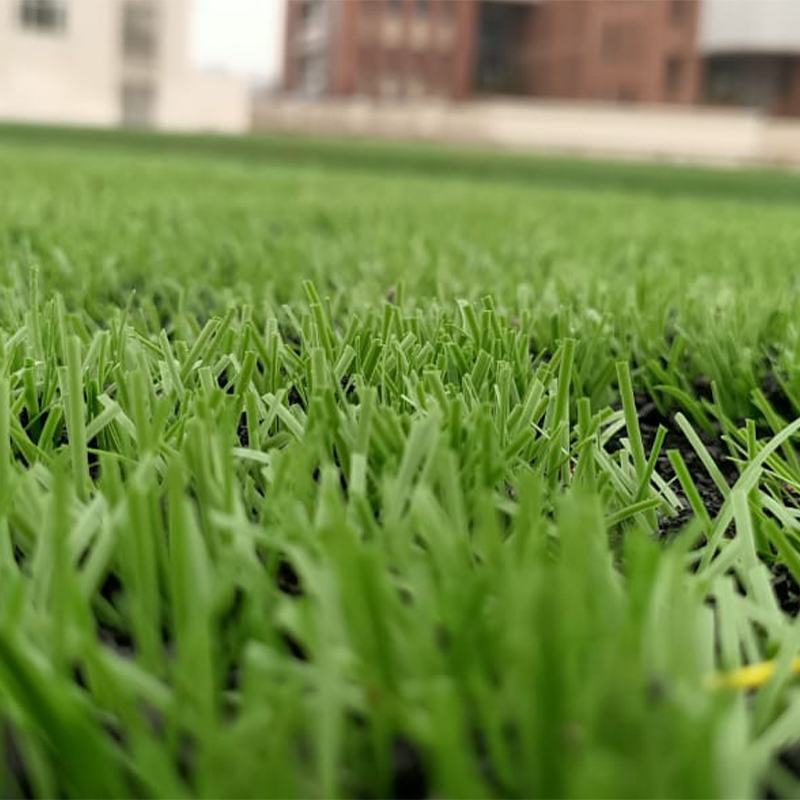
50mm - FIFA APPOVED
Available in 12,000, 16,000, 18,000 DTEX
Pile Height - 50mm
Yarn Type - Monofilament
Infill used - Silica Sand + Crumb Rubber
Use Case - Football, Volleyball, Running Track
Certification - FIFA Quality, FIFA Quality Pro
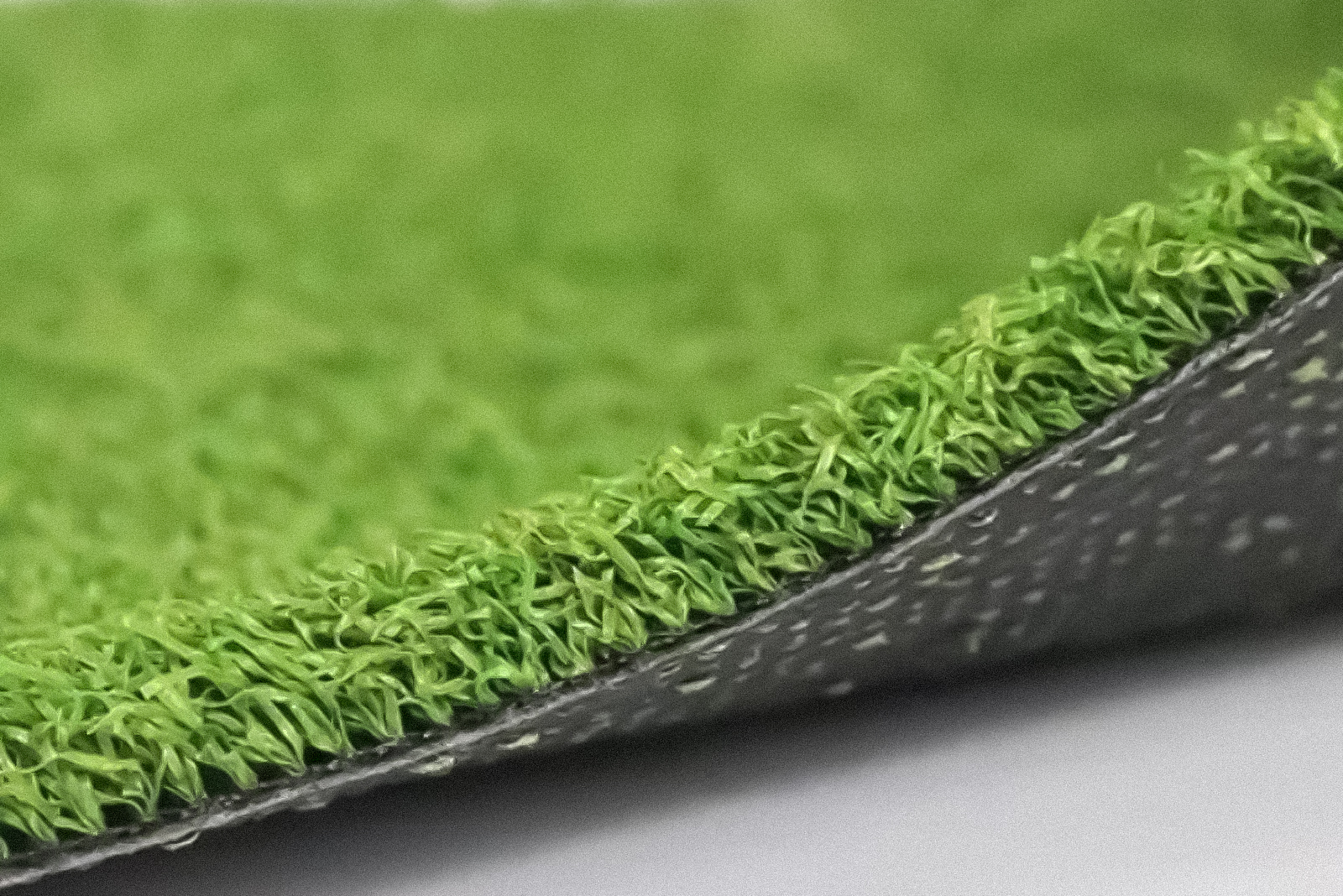
15mm - Multisport
5,500 DTEX
Pile Height - 15mm
Yarn Type - Curl
Infill used - Silica Sand
Use Case - Cricket, Volleyball, Futsal, Tennis, Running Track
Certification - No
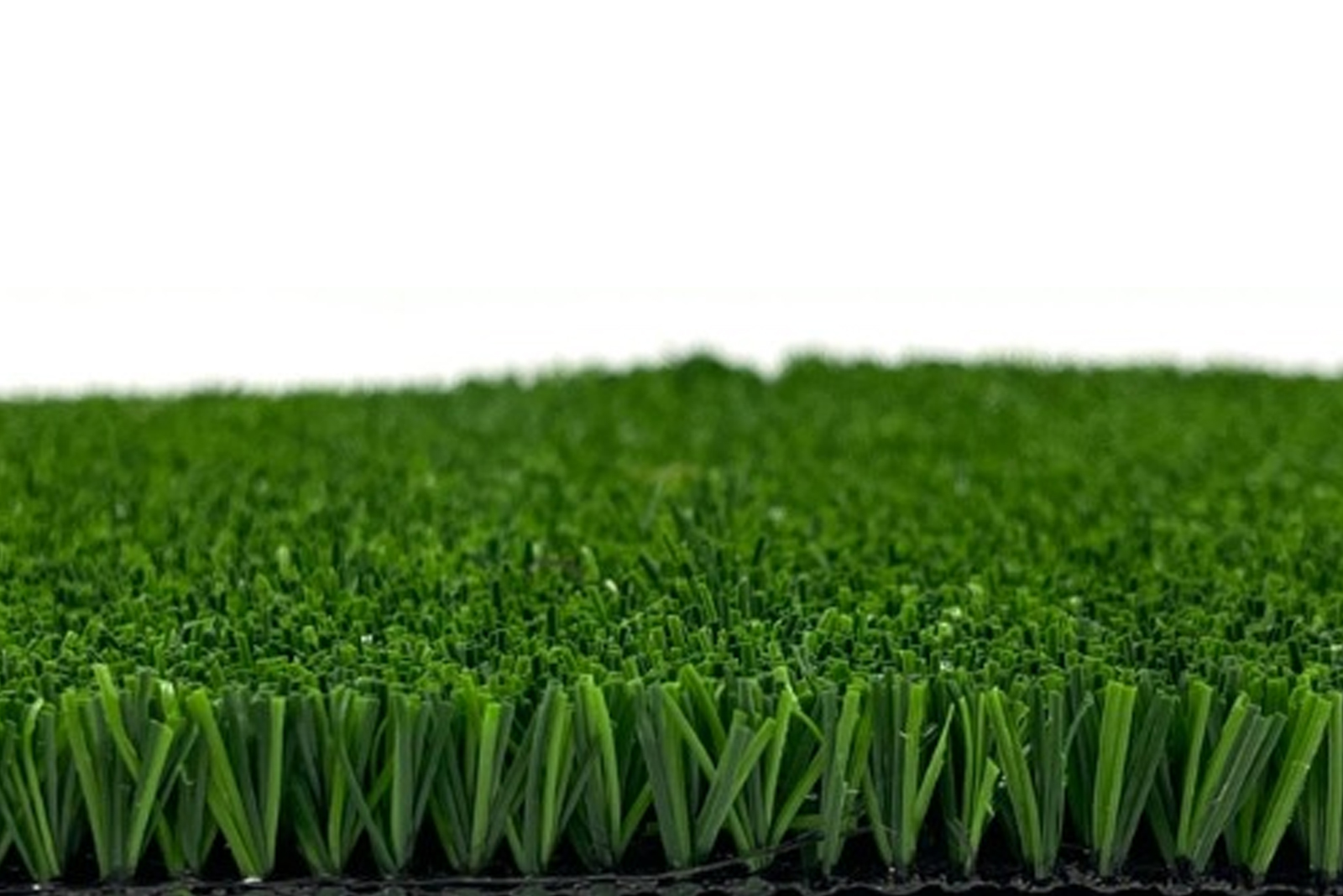
9mm - Cricket
8,800 DTEX
Pile Height - 9mm
Yarn Type - Fibrillated
Infill used - Silica Sand
Use Case - Cricket
Certification - No
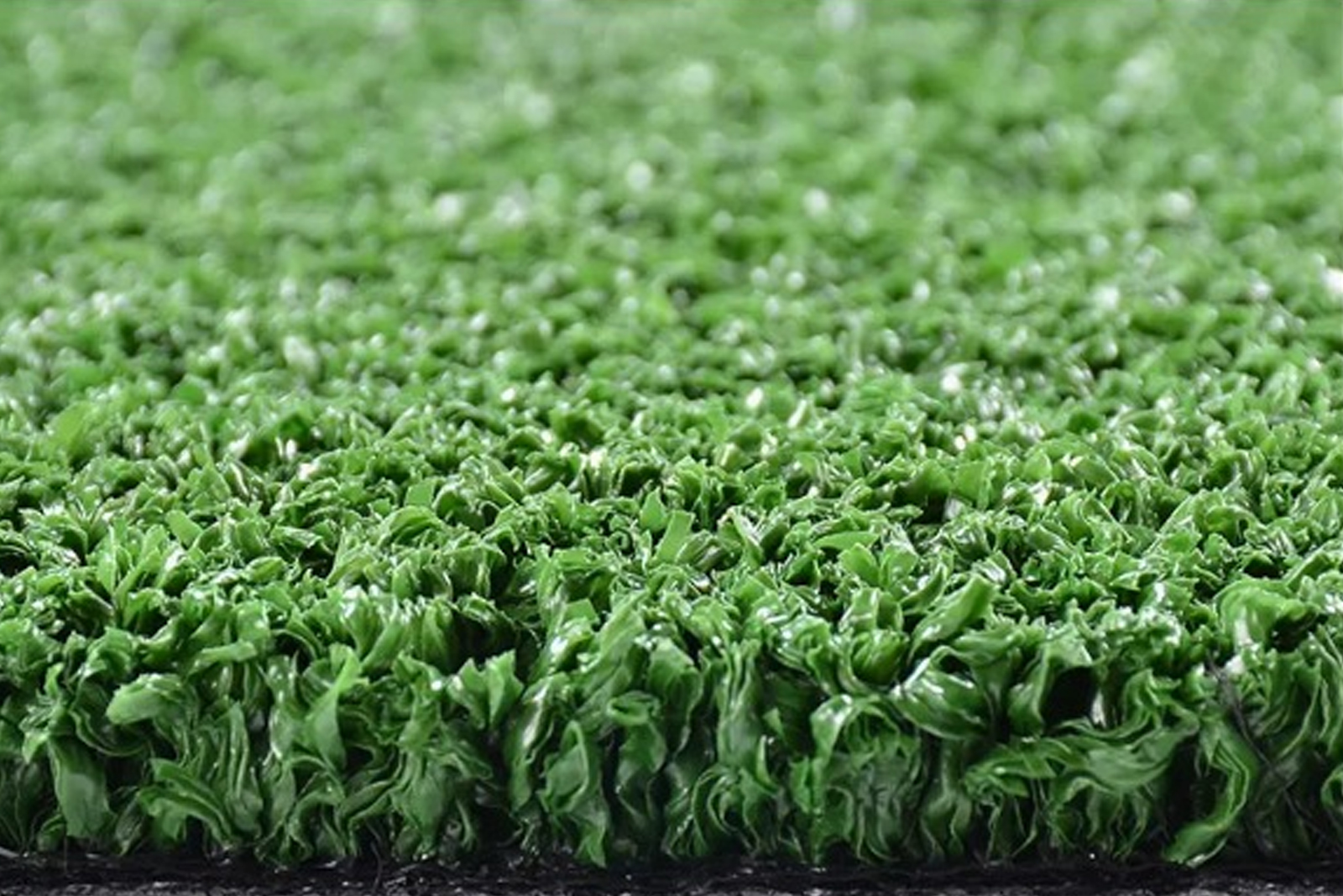
13mm - FIH Approved
8,000 DTEX
Pile Height - 13mm
Yarn Type - Monofilament
Infill used - Silica Sand
Use Case - Hockey, futsal, running track, cricket, volleyball
Certification - FIH
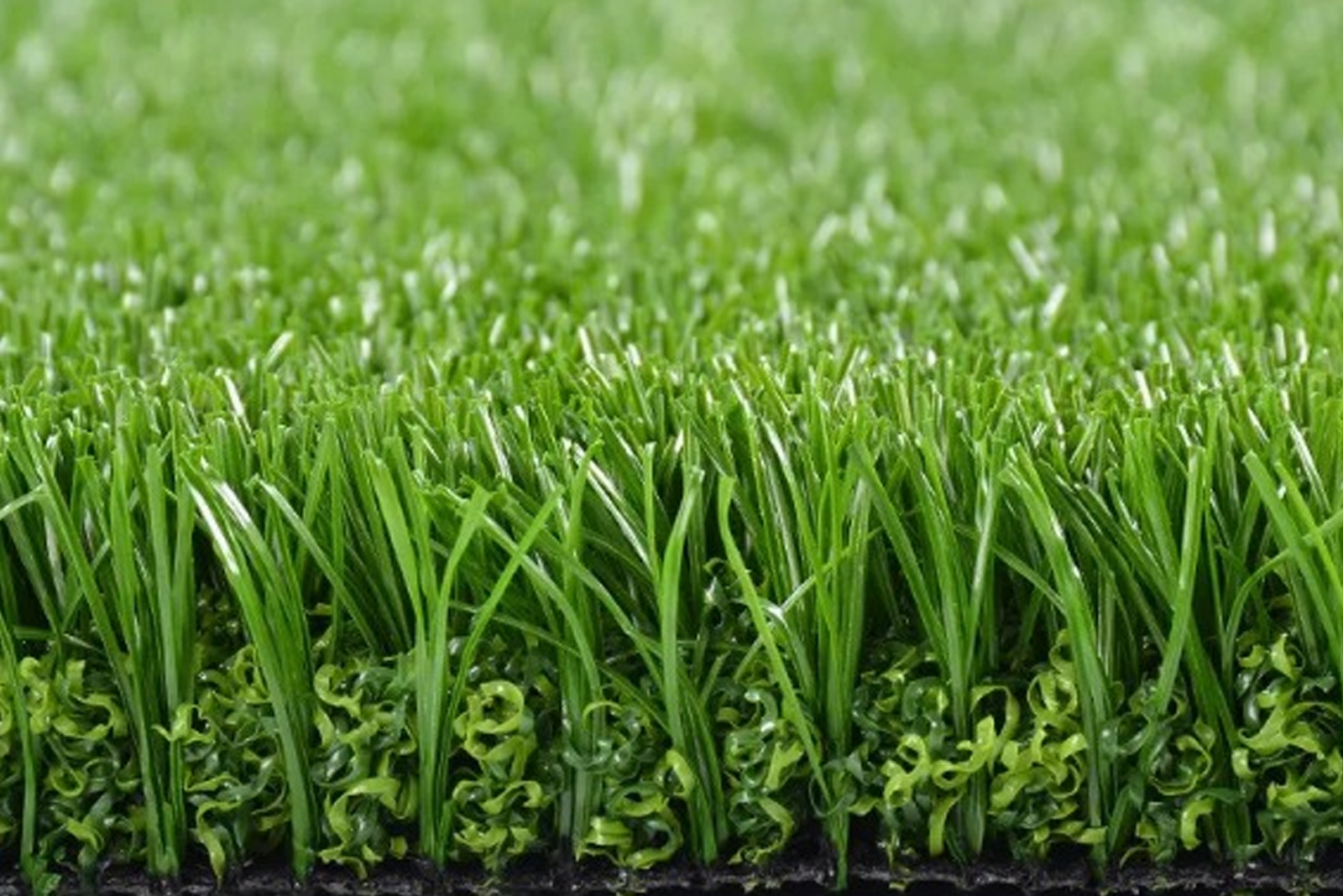
30mm
13,000 DTEX
Pile Height - 30mm
Yarn Type - Monofilament + Curl
Infill Used - Silica Sand
Use Case - Football, cricket, volleyball
Certification - No
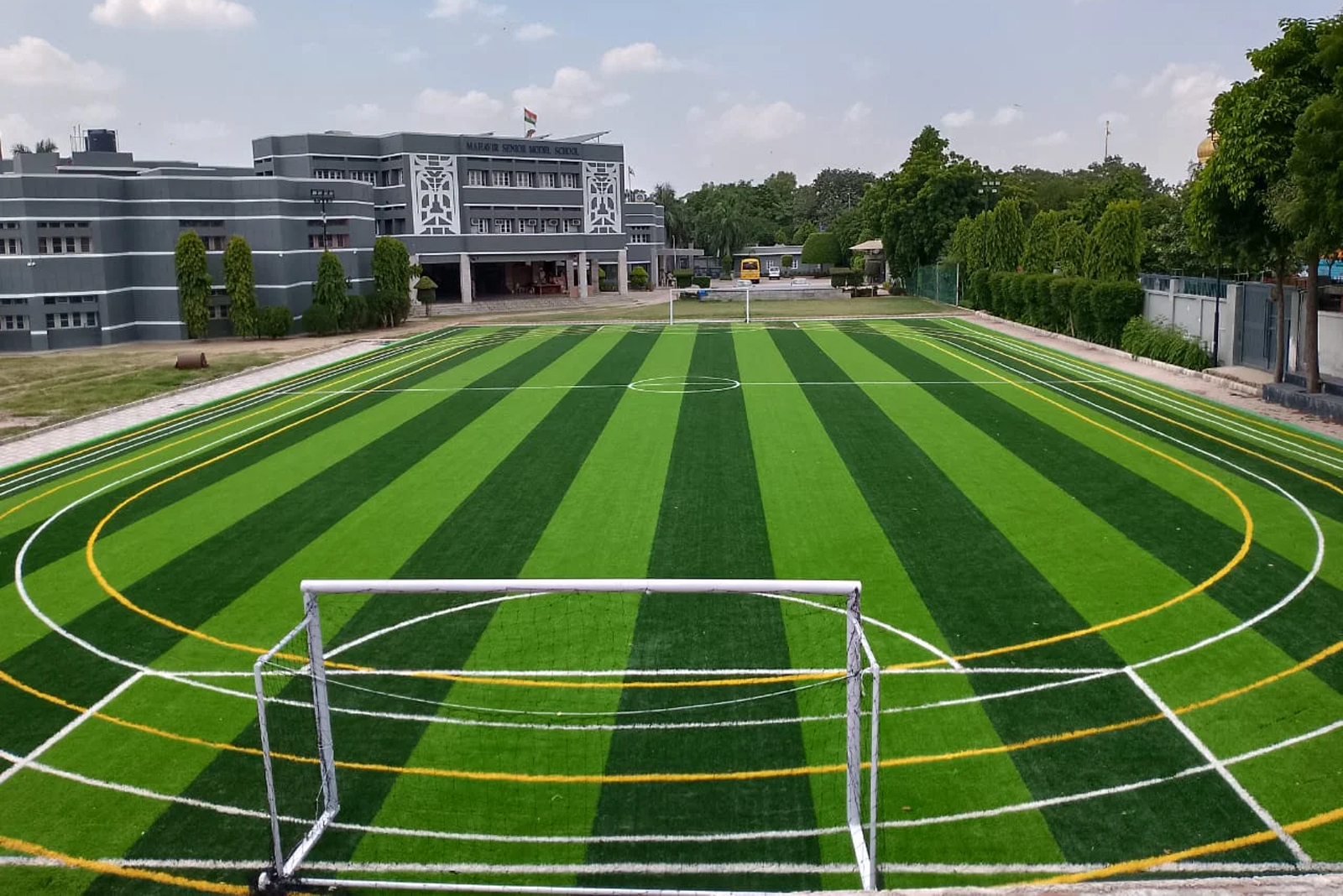
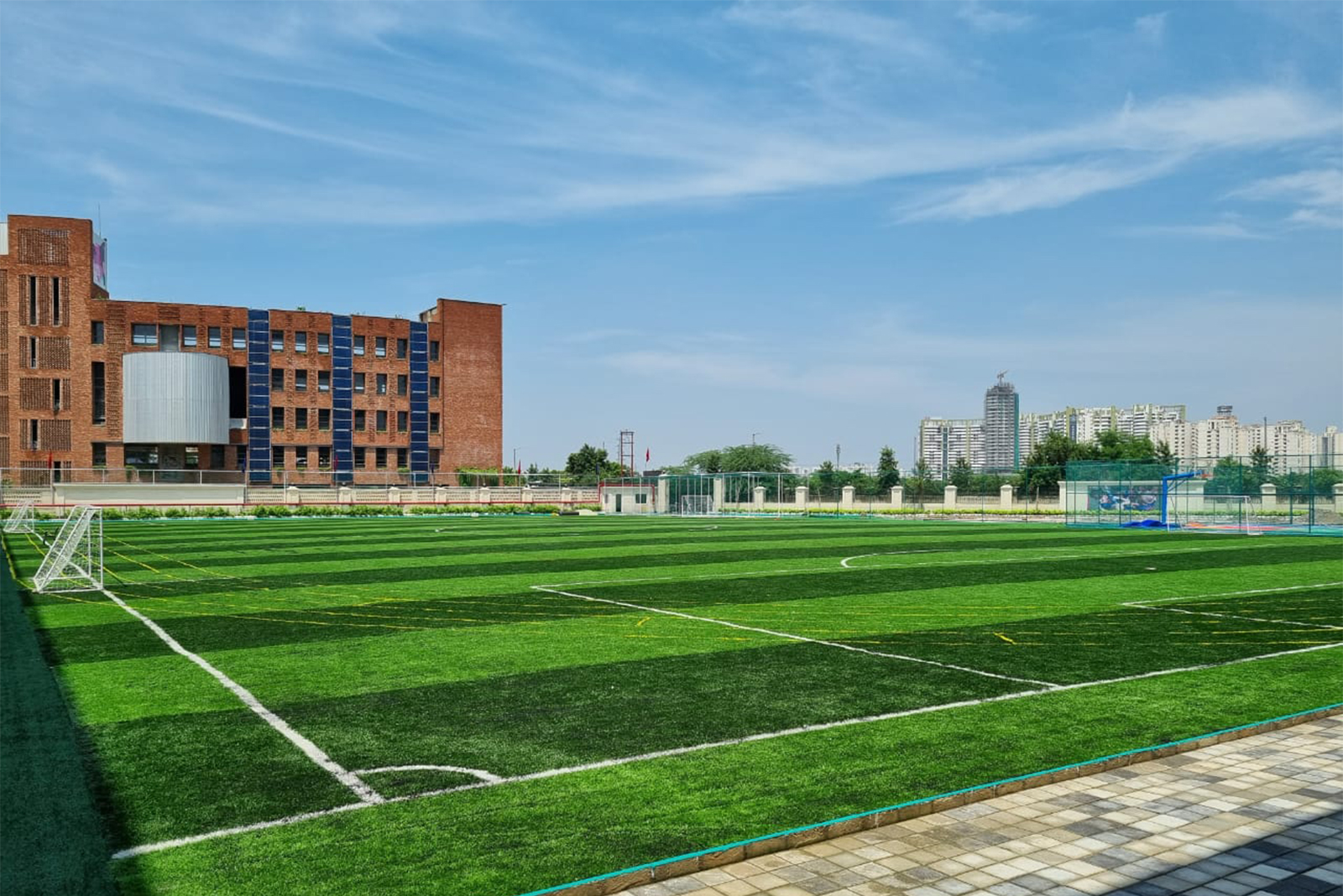
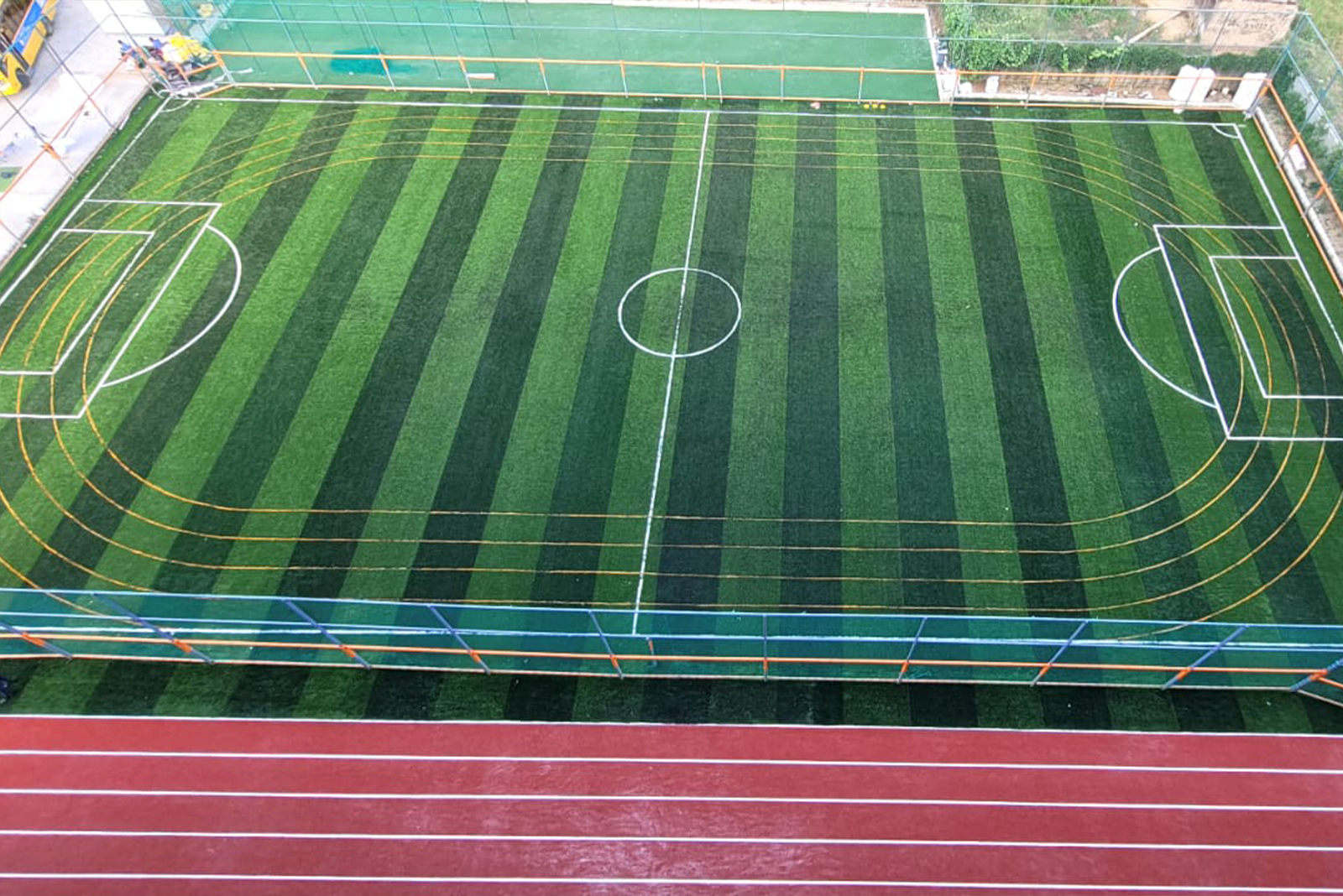
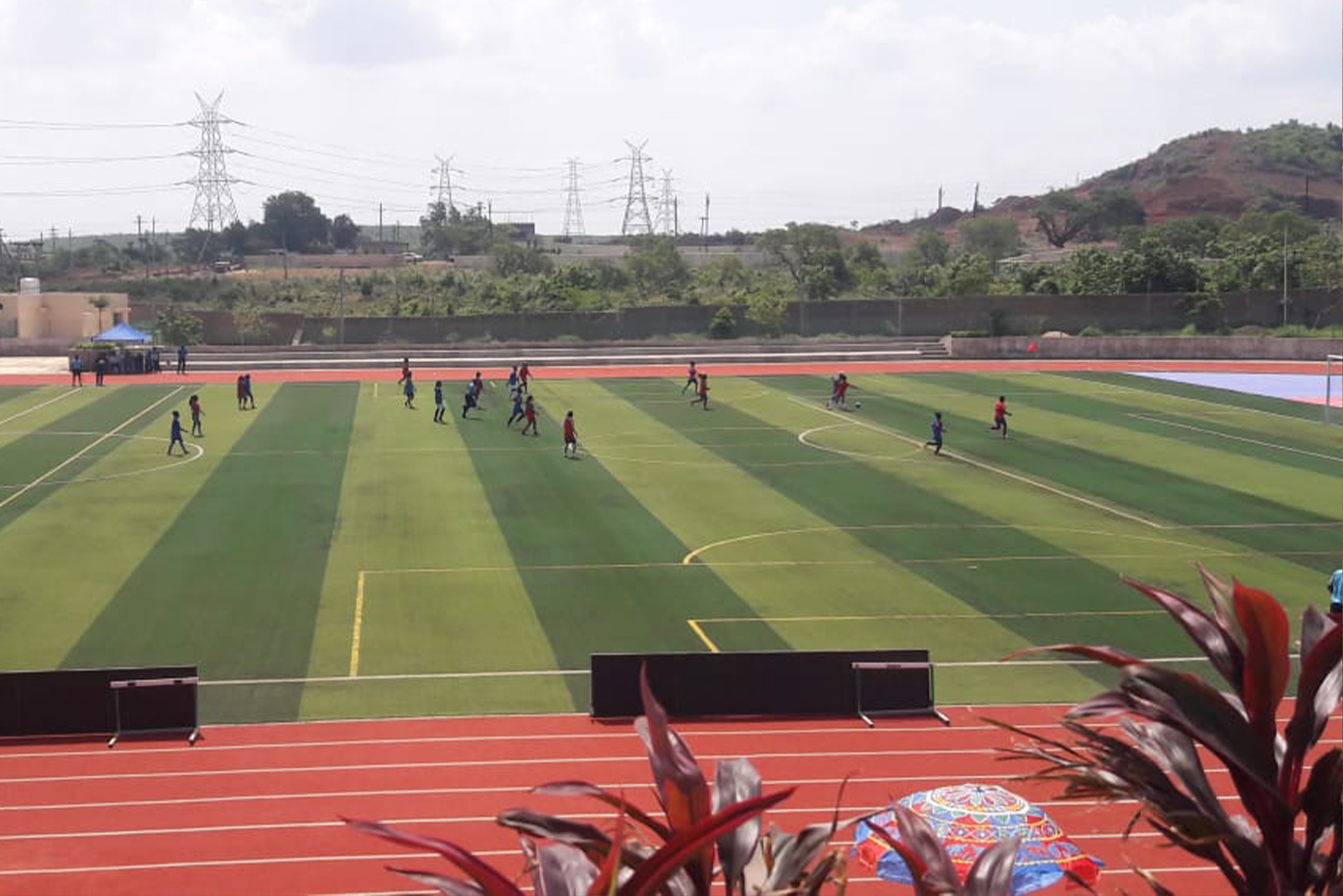
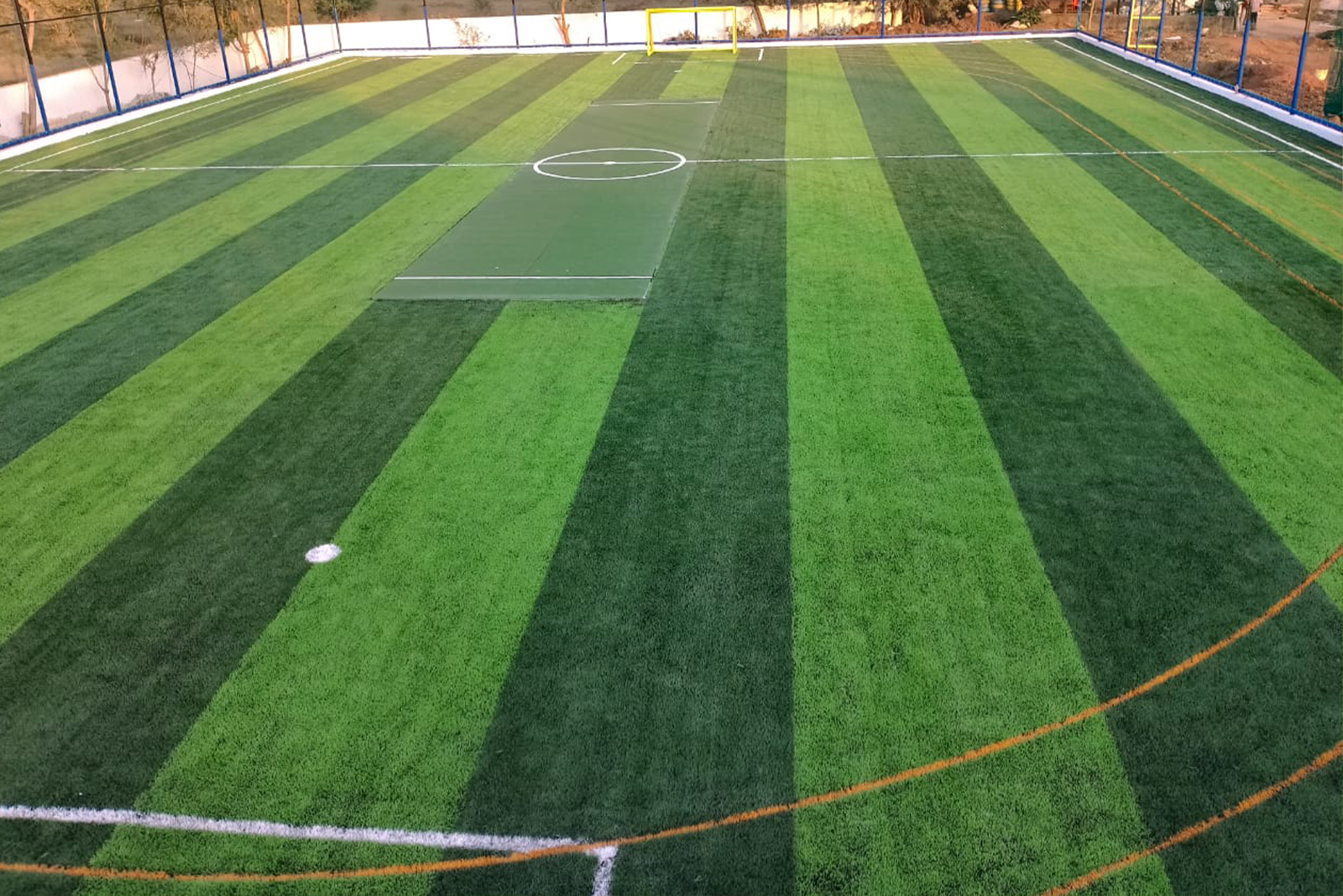
Gallery of featured work
Frequently asked questions
1. What is DTEX
Dtex is the density (weight per 10,000m) of turf. A higher DTEX means stronger, more durable fibers—ideal for heavy play and longer lifespan.
2. Which pile height is suitable for my use?
Pile height depends on the sport. Football usually uses 50mm, hockey 13/18mm, cricket 9/15mm, and tennis 12/15mm. Multi-sport areas often use 15mm for versatility.
3. What is infill and why is it needed?
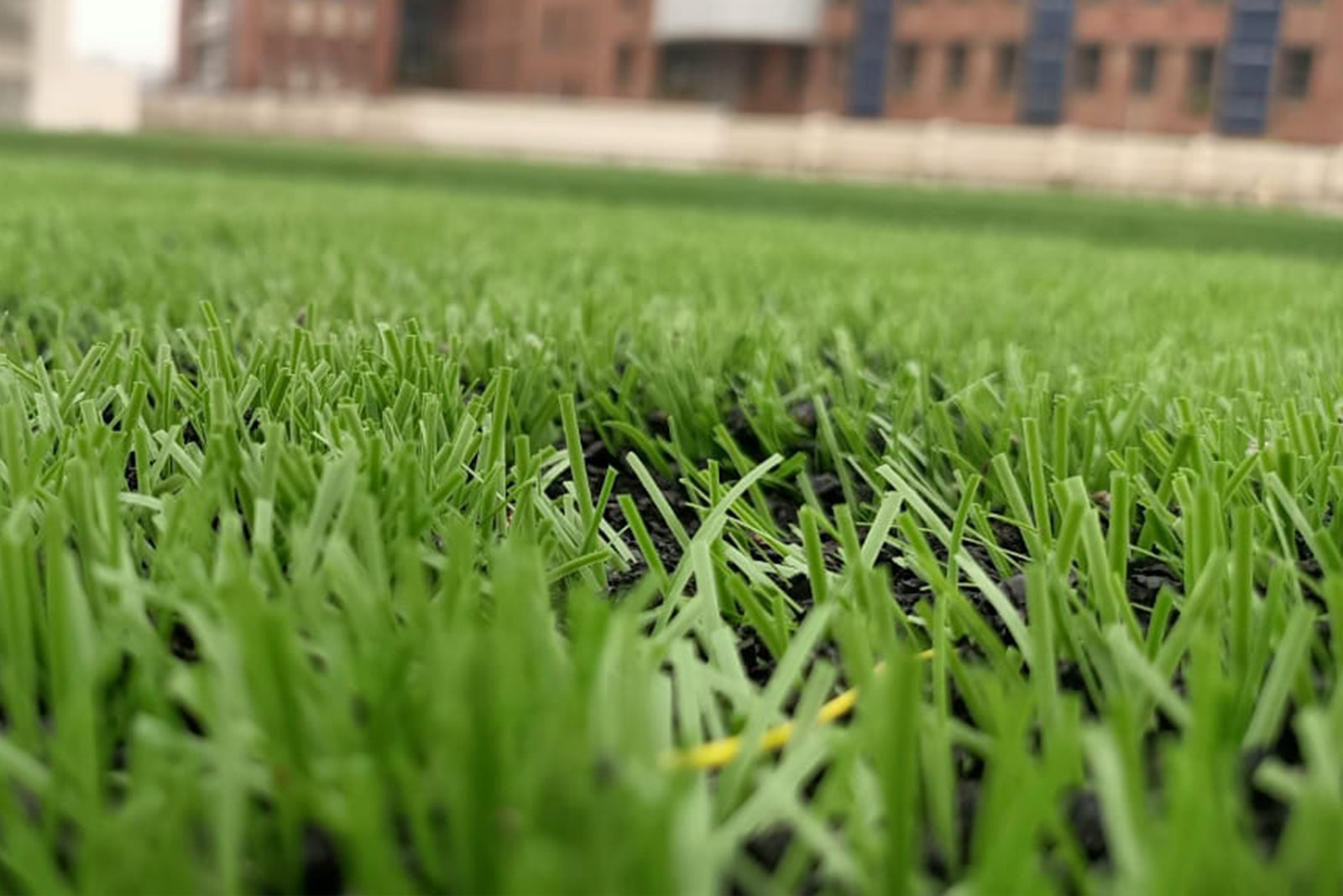
Infill (usually sand and rubber granules) is brushed into the turf to keep fibers upright, provide cushioning, improve ball behavior, and enhance player safety.
4. What is the difference between PU and Latex backing?
Latex backing is the standard option—flexible, cost-effective, and widely used for most sports applications. PU (Polyurethane) backing is more advanced: it offers higher strength, better resistance to moisture and heat, and greater dimensional stability, making it ideal for extreme climates or heavy-use installations.
5. What is Stitch Rate & Strands/Tuft
Stitch rate is the number of stitches per inch. A higher stitch rate indicates denser, thicker turf. Denser turf looks and feels more like natural grass, and is softer on the underfoot. The higher the stitch rate, the heavier and higher the quality of the turf. Strands/tuft is the number of individual fibres per unit area of the turf. Stitch rate impacts the density of the turf, and strands/tuft count determines the overall coverage and visual appeal of the turf.
6. How long does artificial turf last?
With proper installation and care, high-quality Astroturf can last 5+ years, even under heavy use. Higher quality grades can last upto 15 years.
7. Is Astroturf safe for players?
Yes. Modern systems use shock-absorbent infills and soft, skin-friendly fibers to reduce injury risk and improve comfort.
8. Can artificial turf be used in all weather?
Absolutely. Astroturf is all-weather resistant—it drains quickly after rain and remains playable year-round.
9. How is artificial turf maintained?
It requires far less care than natural grass. Basic brushing, occasional infill top-ups, and cleaning debris are usually enough.
10. Is Astroturf environmentally friendly?
Yes. It drastically reduces water consumption, eliminates the need for fertilizers or pesticides, and some systems are recyclable at end of life.