About Basketball
Basketball is one of the best sports for all-round physical fitness, building strength, stamina, agility, and coordination while keeping players constantly active. Whether played indoors or outdoors, in full-court or half-court formats, it offers a highly engaging workout that balances cardio with skill development.
For schools, clubs, and communities, basketball is especially valuable because it requires minimal space, can be adapted to different age groups, and promotes teamwork and discipline. Its accessibility and fast pace make it an ideal sport to encourage participation, develop athletic ability, and create a strong sporting culture.

Our Best Products for Basketball Courts
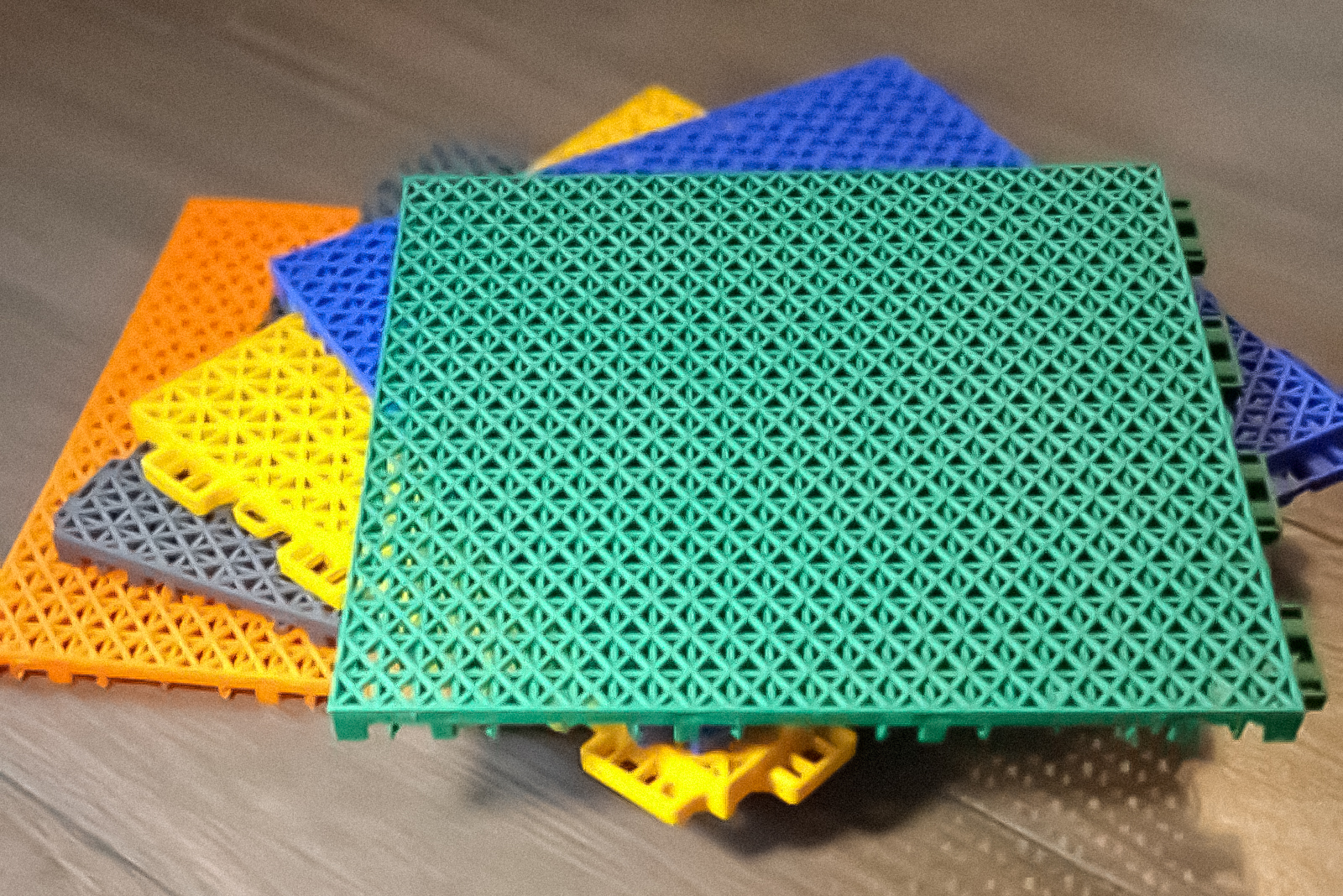
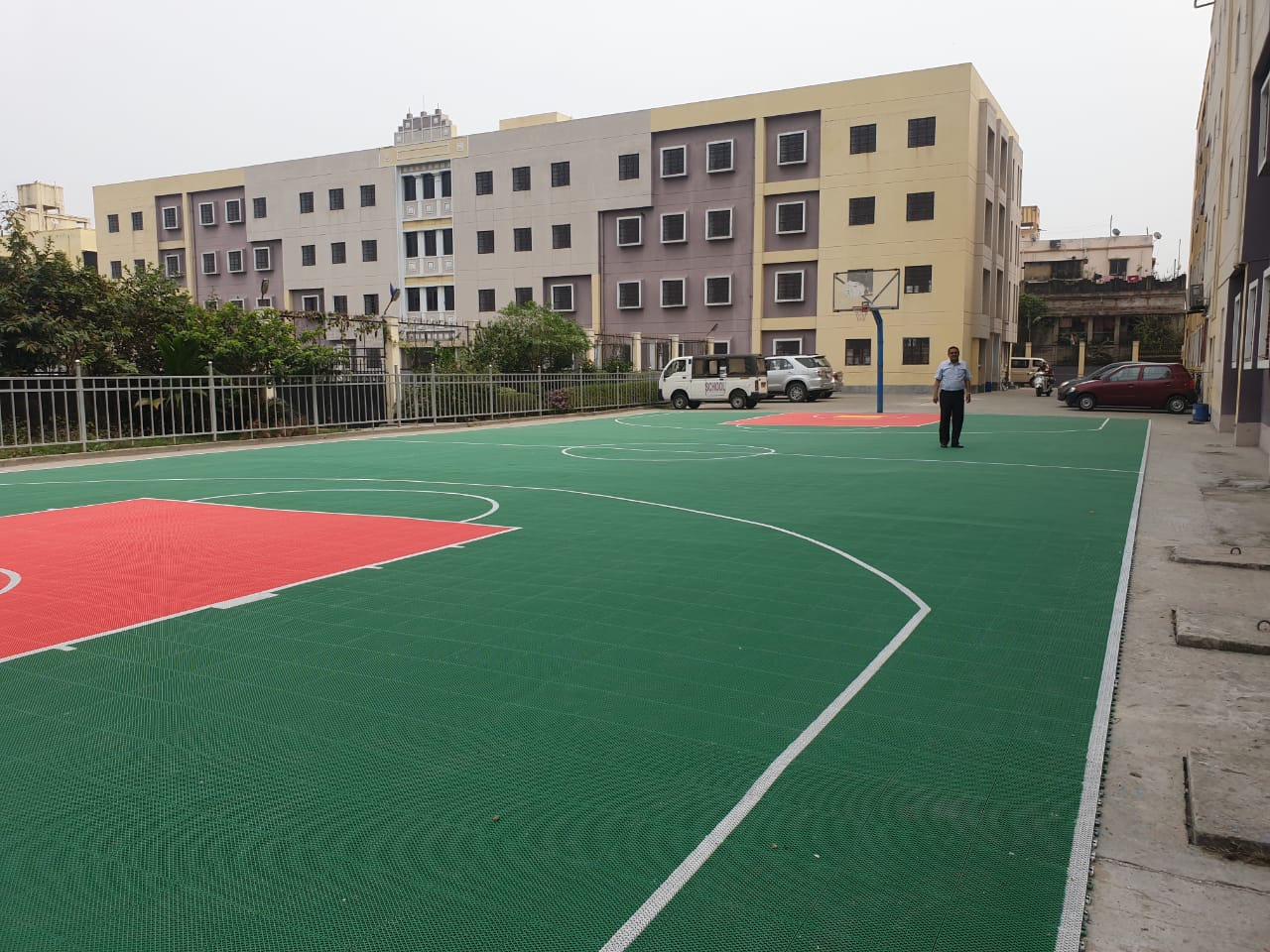
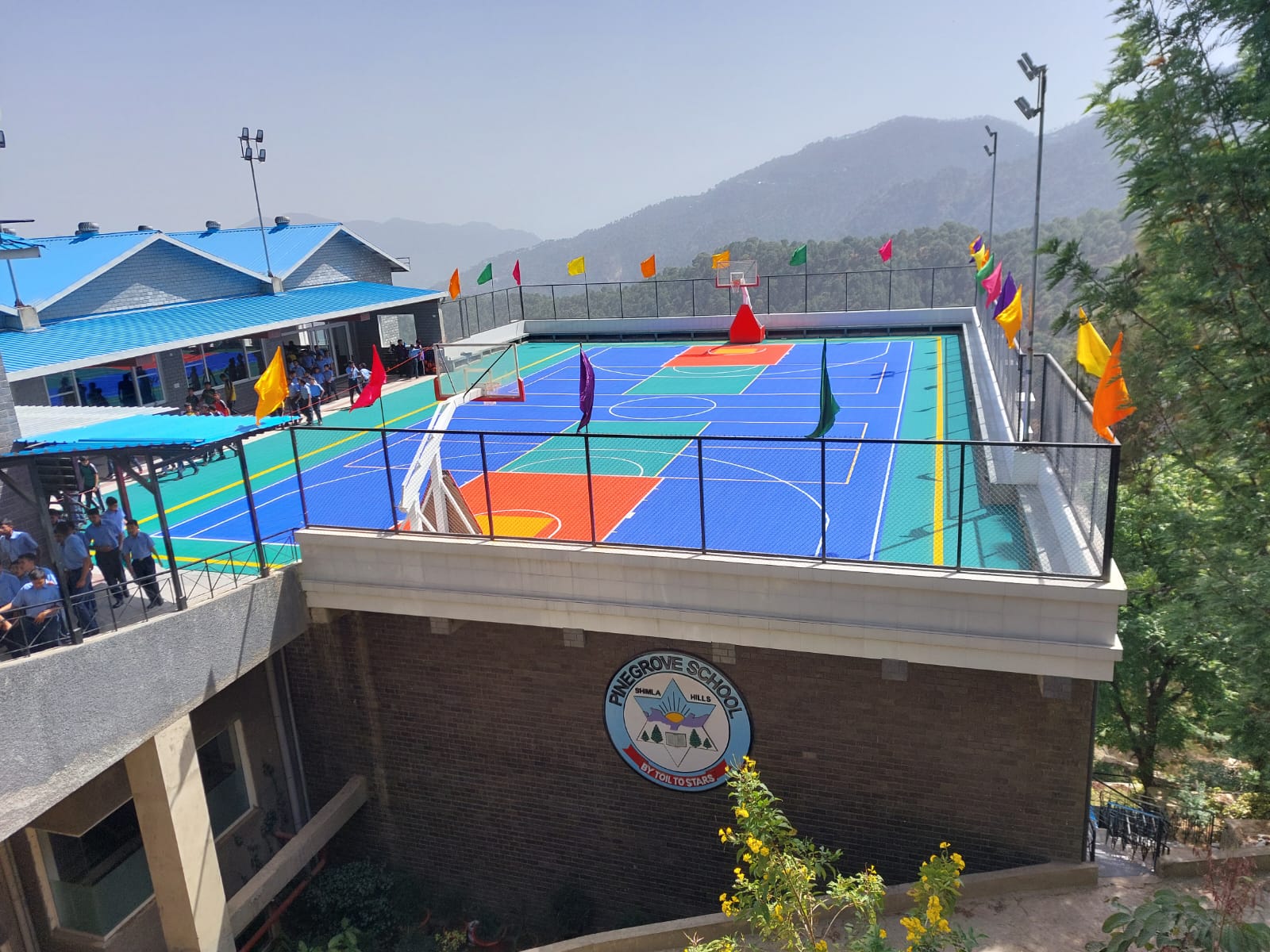
PP Interlocking tiles
Durable and weather-resistant, ideal for outdoor basketball courts.
Good ball bounce, easy installation, and low maintenance make it a practical choice for schools and community spaces.
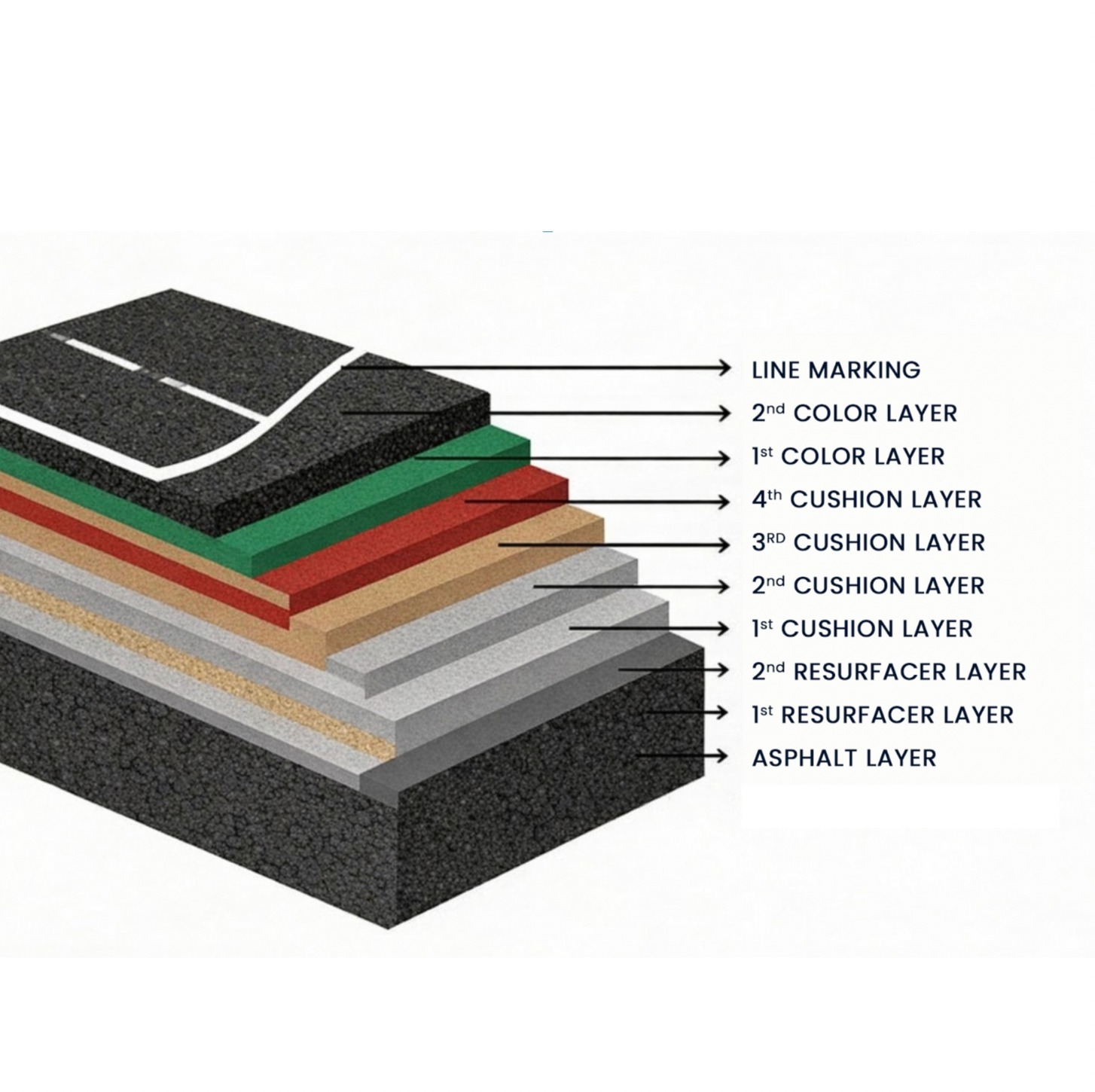
Acrylic Surface
Deliver consistent bounce and grip, with excellent resistance to wear and tear. They are cost-effective, easy to maintain, and suitable for both recreational and competitive play.
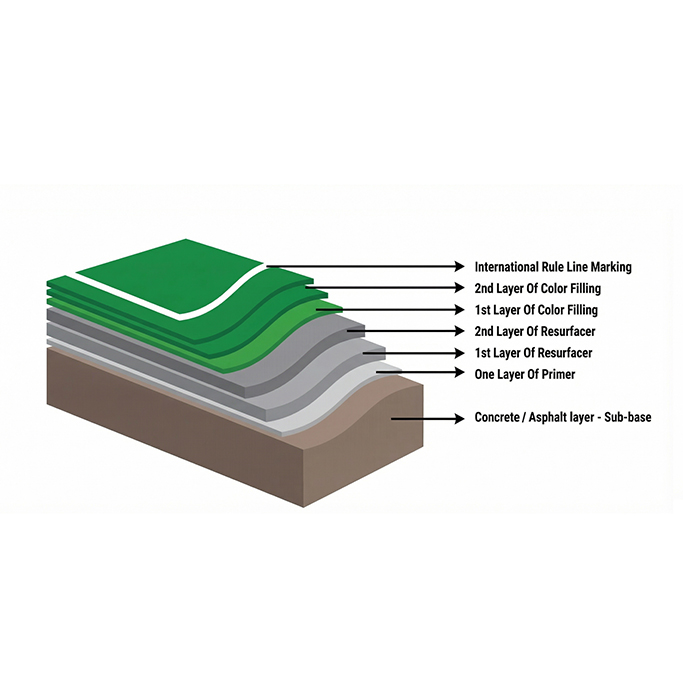
PU Surface
PU (Polyurethane) surfaces offer superior cushioning and shock absorption, reducing player fatigue and injury risk. With smooth playability and long-term durability, they are a premium option for high-performance basketball courts.
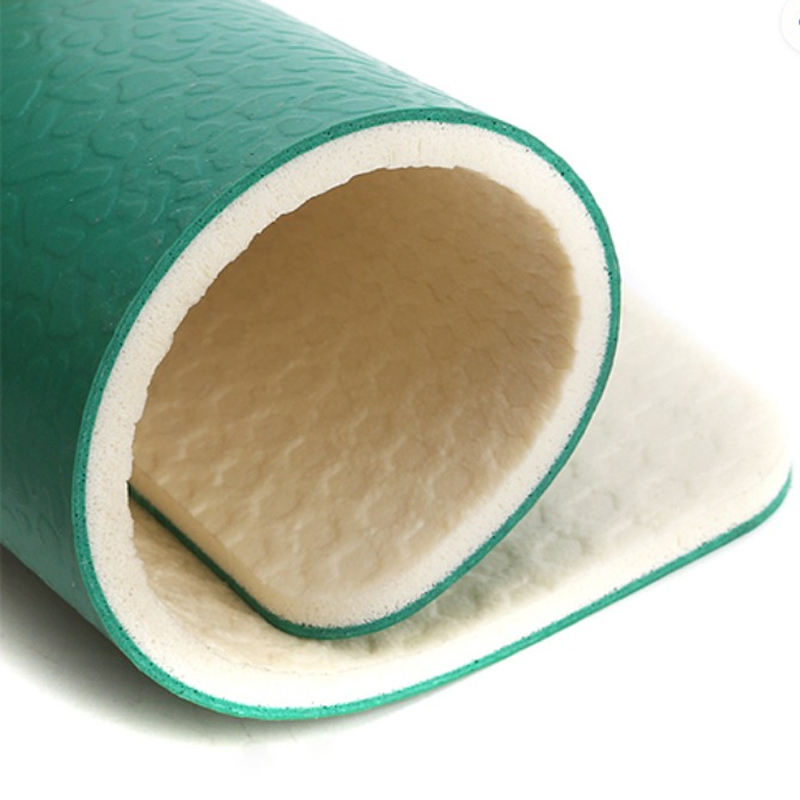
Vinyl Flooring
Vinyl sports flooring provides excellent comfort, slip-resistance, and impact absorption, making it well-suited for indoor basketball. It combines aesthetic appeal with low maintenance and durability.
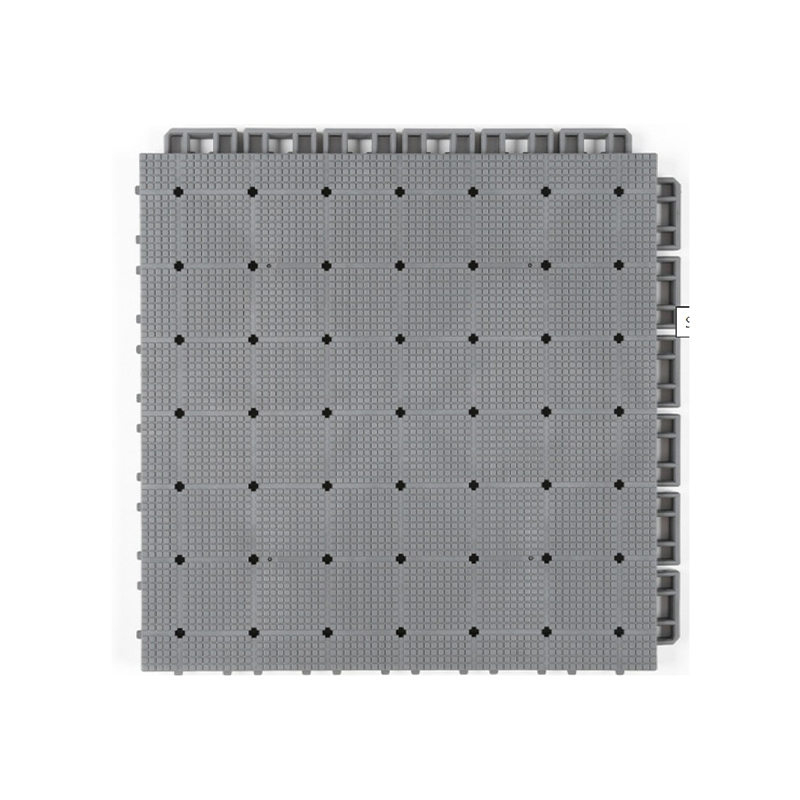
SES/TPE tiles
Made from elastic, high-quality polymers, SES/TPE tiles offer strong shock absorption and excellent slip resistance. They are modular, easy to replace, and deliver a safe, consistent playing experience for all levels of basketball.
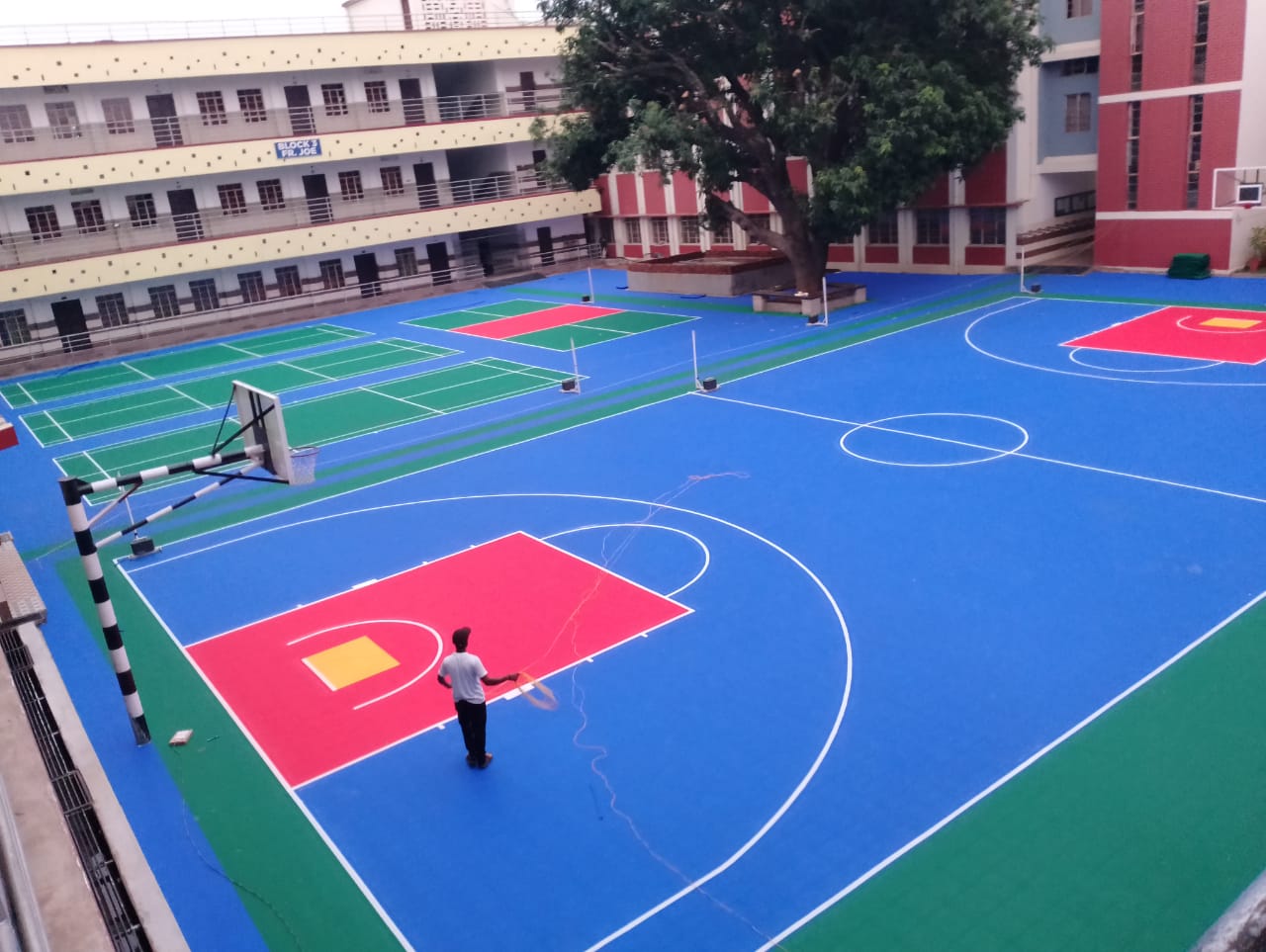
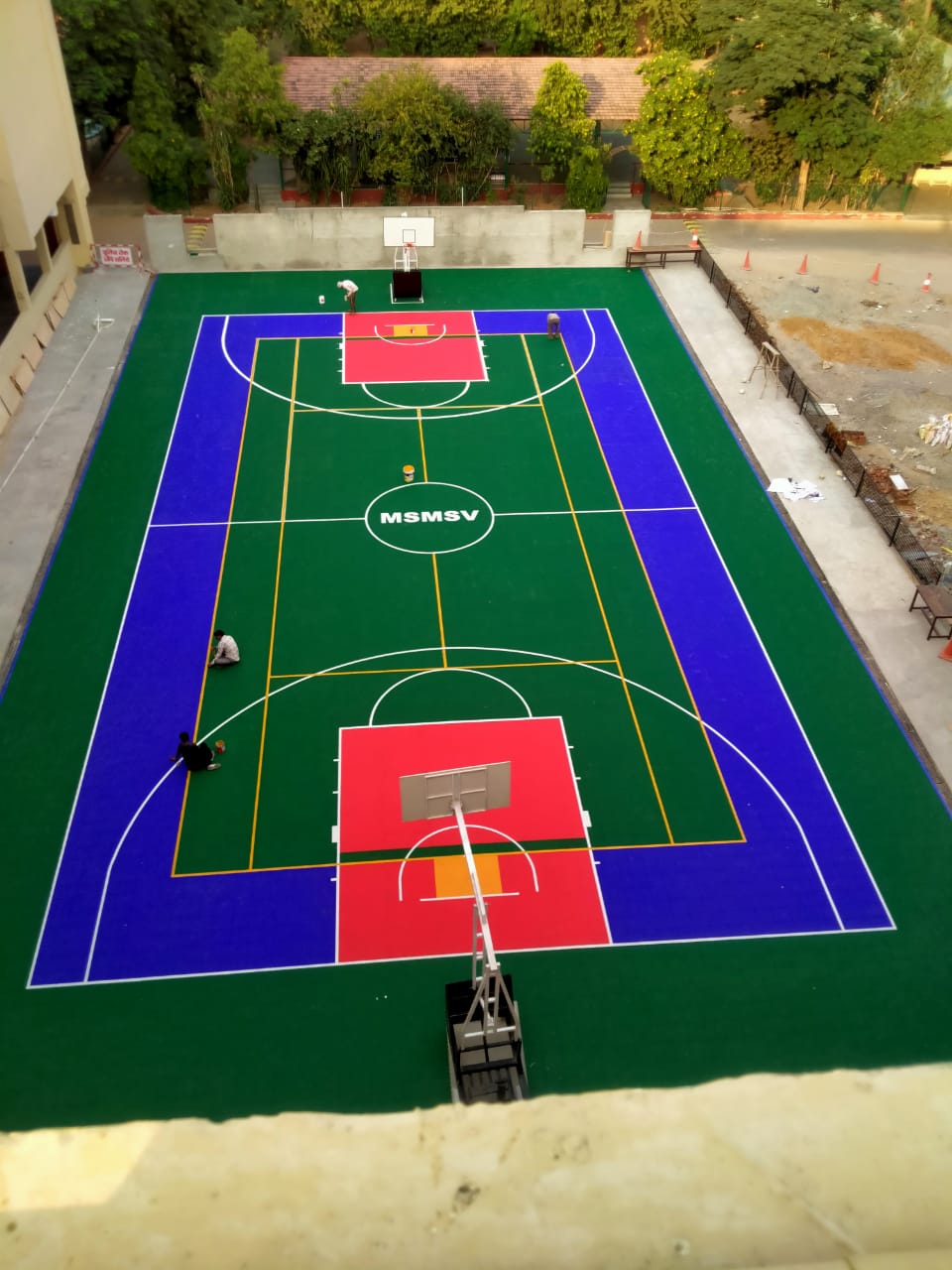
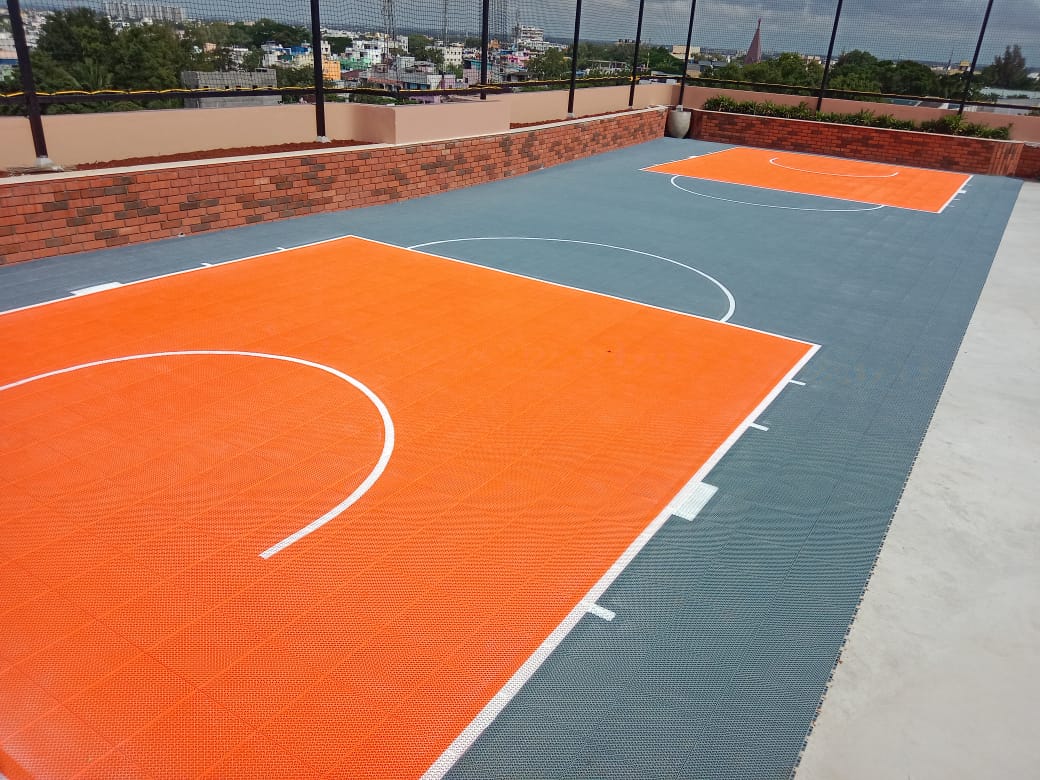
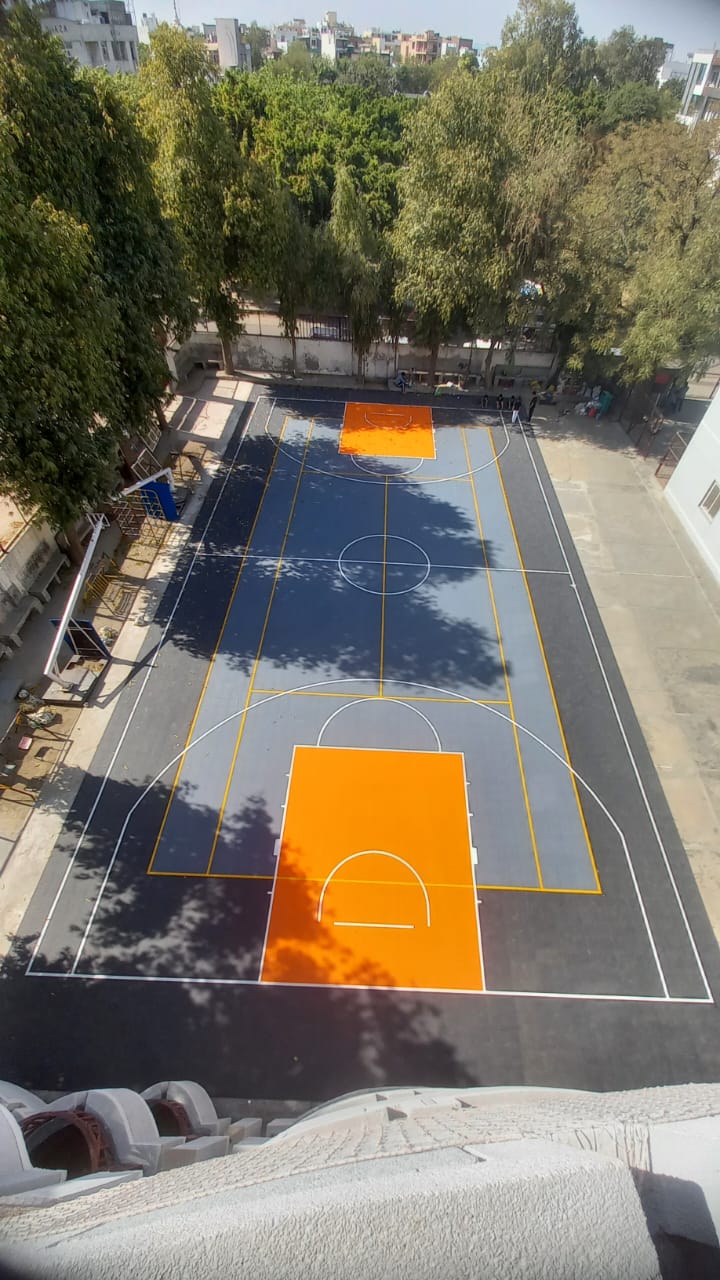
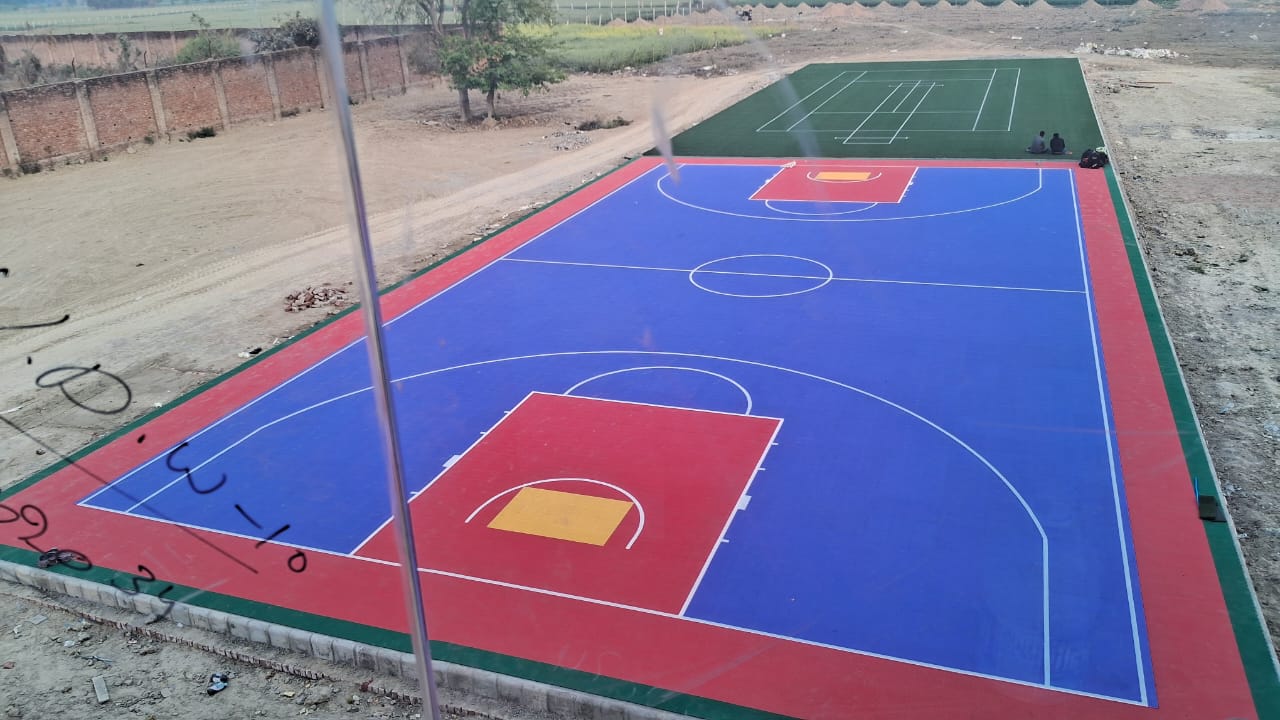
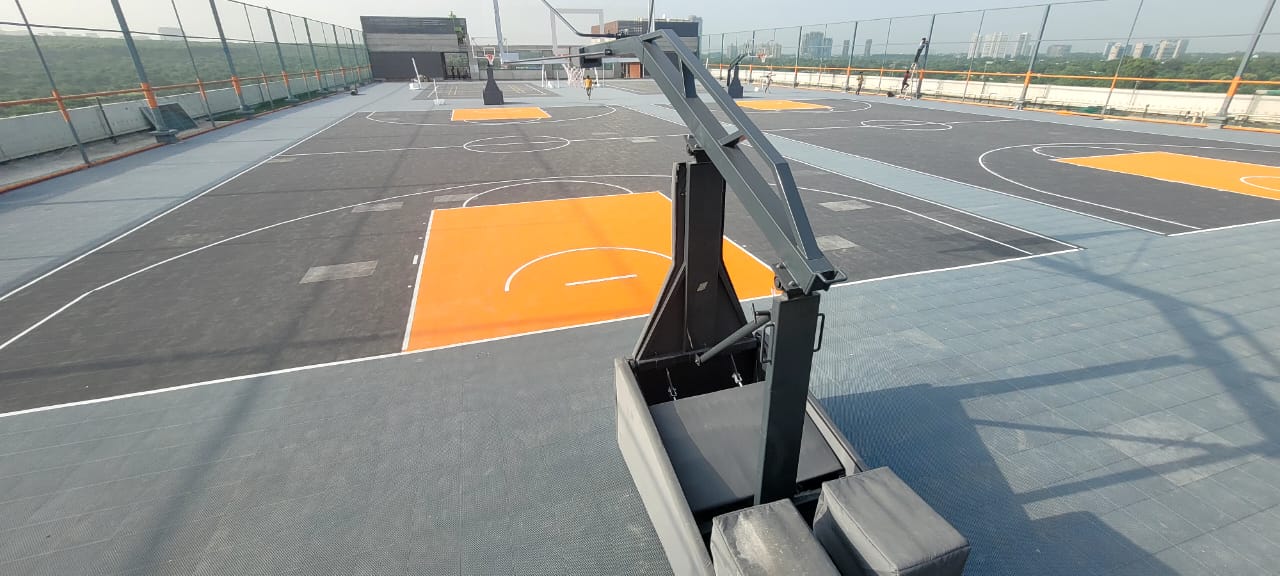
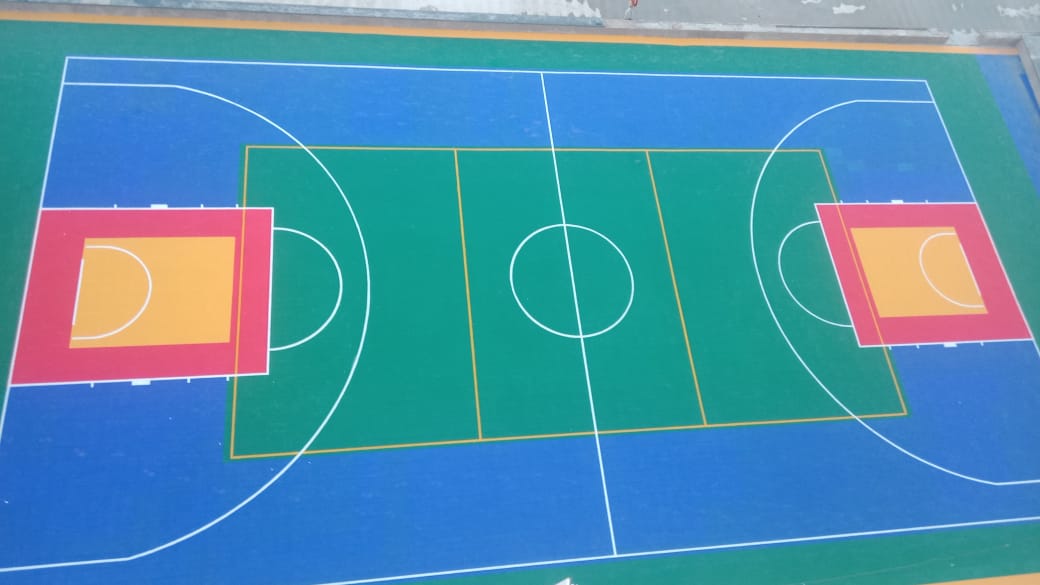
Gallery of featured work
Frequently asked questions
1. What type of surface is best for a basketball court?
It depends on usage. For outdoor courts, PP interlocking tiles or acrylic surfaces are most common. For indoor courts, PU and vinyl flooring offer professional performance and comfort.
2. How important is shock absorption in a basketball court surface?
Very important—good shock absorption reduces player fatigue and lowers the risk of injuries, especially for high-intensity or long-duration play.
3. How important is shock absorption in a basketball court surface?
Very important—good shock absorption reduces player fatigue and lowers the risk of injuries, especially for high-intensity or long-duration play.
4. What is the difference between acrylic, PU, vinyl, and tile surfaces?
Tiles (PP/SES/TPE): Modular, easy to install, low maintenance, suitable for multi-use areas.
Acrylic: Affordable, durable, outdoor-friendly with consistent bounce.
PU: Premium indoor option with superior cushioning and durability.
Vinyl: Indoor surface with excellent slip resistance and comfort.
5. Which surface requires the least maintenance?
PP interlocking tiles need the least maintenance outdoors, while vinyl is relatively low-maintenance indoors.
Acrylic surfaces require routine repair & maintenance along with resurfacing every few years for consistent cushioning
PU surfaces require more care but offer premium play quality.
6. How long does a basketball court surface last?
Depending on material and usage:
PP/SES/TPE tiles: 6–10 years
Acrylic: 2–5 years
PU: 7–10 years
Vinyl: 5-8 years
7. Does the climate affect which surface I should choose?
Yes. Outdoor courts in hot, rainy, or humid climates should use weather-resistant options like PP tiles or acrylic. Indoor courts are better suited for PU or vinyl.
8. Can one surface be used for multiple sports?
Yes. PP/SES/TPE tiles and acrylic surfaces are versatile and can be used for basketball, futsal, tennis, and other recreational games. PU and vinyl are usually specialized for indoor basketball or multi-sport halls.
9. What factors should schools or clubs consider before choosing a surface?
Usage frequency, indoor vs. outdoor location, budget, maintenance capacity, and whether the court will be multi-sport or basketball-specific.