About Hockey
Hockey is a fast-paced, skill-intensive sport that emphasizes speed, coordination, balance, and teamwork. Played indoors or outdoors on synthetic surfaces, it requires a consistent, high-quality playing field to ensure accurate ball control, safe sliding, and optimal player performance. Hockey is widely played in schools, clubs, and professional arenas, and a proper surface is critical for training and competition.

Our Best Products for Hockey Courts
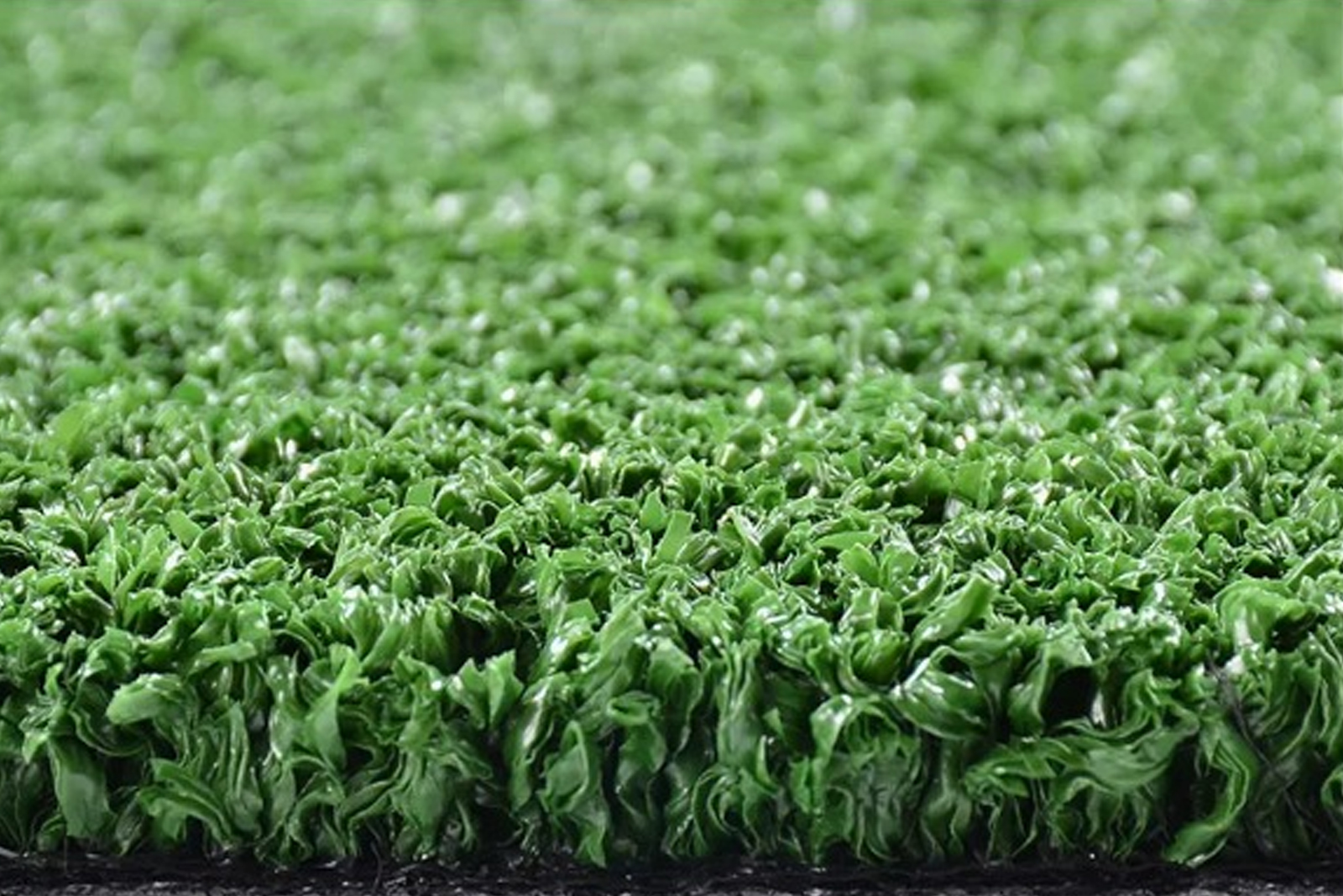
Astroturf (FIH Approved)
FIH-approved astroturf is the international standard for hockey, engineered to provide consistent ball roll, uniform traction, and safe sliding. The surface is highly durable, performs reliably in all weather conditions, and minimizes maintenance while supporting high-intensity, professional-level play. Its construction ensures both player safety and precise game dynamics, making it the preferred choice for schools, clubs, and competitive venues.
Frequently asked questions
1. Why is FIH approval important for hockey turf?
FIH approval guarantees the turf meets international performance standards for ball speed, roll, and consistency, making it suitable for professional and competitive play.
2. How long does FIH-approved astroturf typically last?
With proper maintenance, these turfs can last 7–10 years, depending on use intensity and environmental factors.
3. What is the SBR sub-surface and why is it needed?
SBR (Styrene-Butadiene Rubber) sub-surface is a shock-absorbing underlayer installed beneath the turf. It cushions player movements, reduces joint and impact stress, and improves overall safety, especially during dives, tackles, and rapid directional changes.
4. How is SBR sub-surface applied?
The SBR rubber granules are mixed with a binding agent and poured or laid over a compacted base before turf installation. The thickness and density are calibrated to provide the desired balance of shock absorption and firmness for ball roll consistency.
5. What is the expected life of an SBR sub-surface?
With proper installation and maintenance (avoiding excessive water pooling and debris), an SBR sub-surface can last 10–15 years, often matching or exceeding the life of the overlying turf.
5. Does SBR affect ball performance?
Properly installed SBR sub-surface maintains uniform ball roll and speed while providing enhanced cushioning for players, ensuring both safety and high-quality play.