About PP Interlocking tiles
PP Interlocking Tiles are suspended sports flooring systems crafted from high-performance polypropylene resin, designed to lock seamlessly into place over any firm base. First introduced as a versatile alternative to traditional surfaces like concrete, and acrylic, these tiles have steadily grown in popularity worldwide for their resilience, portability, and all-weather adaptability.
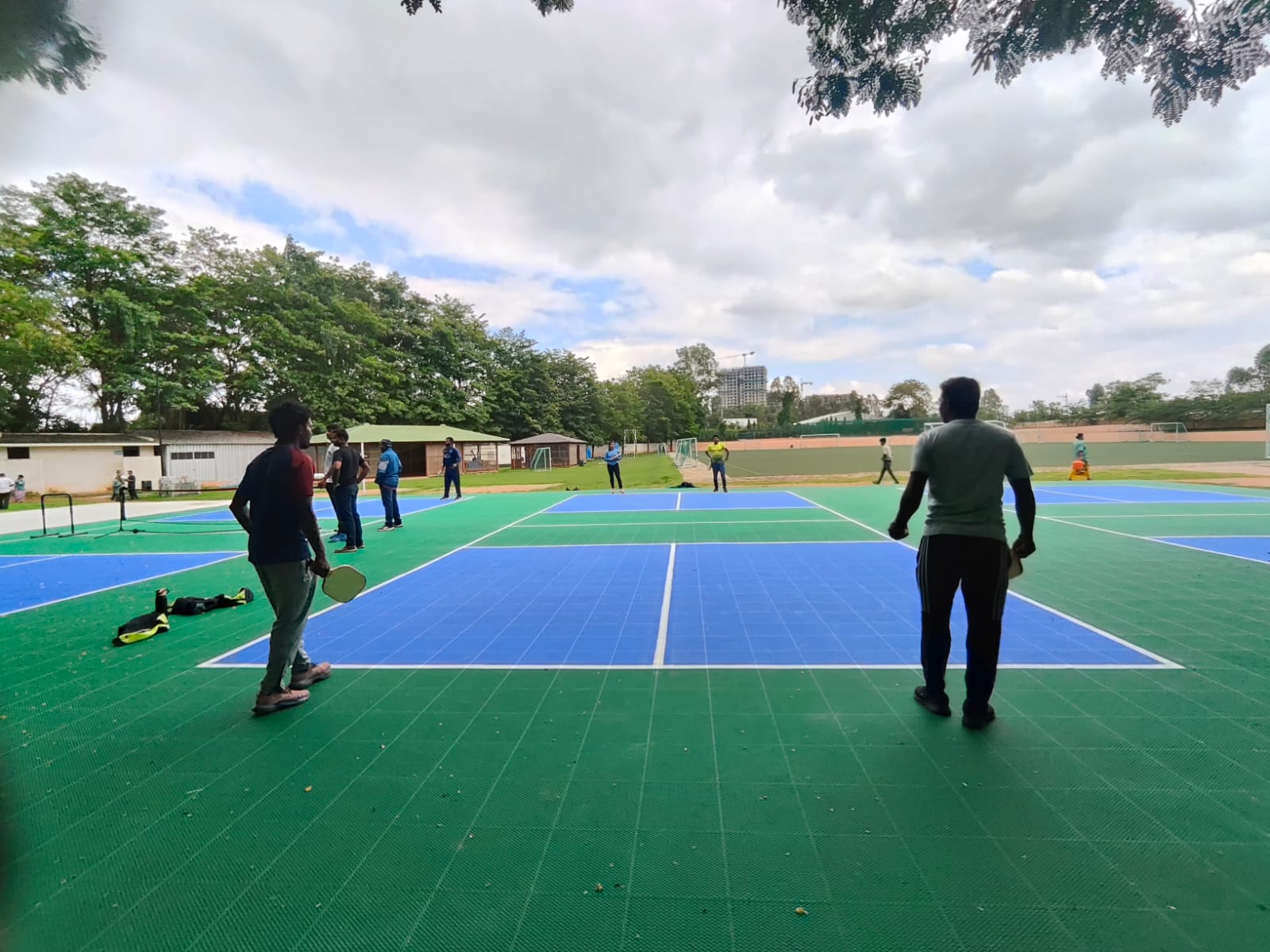
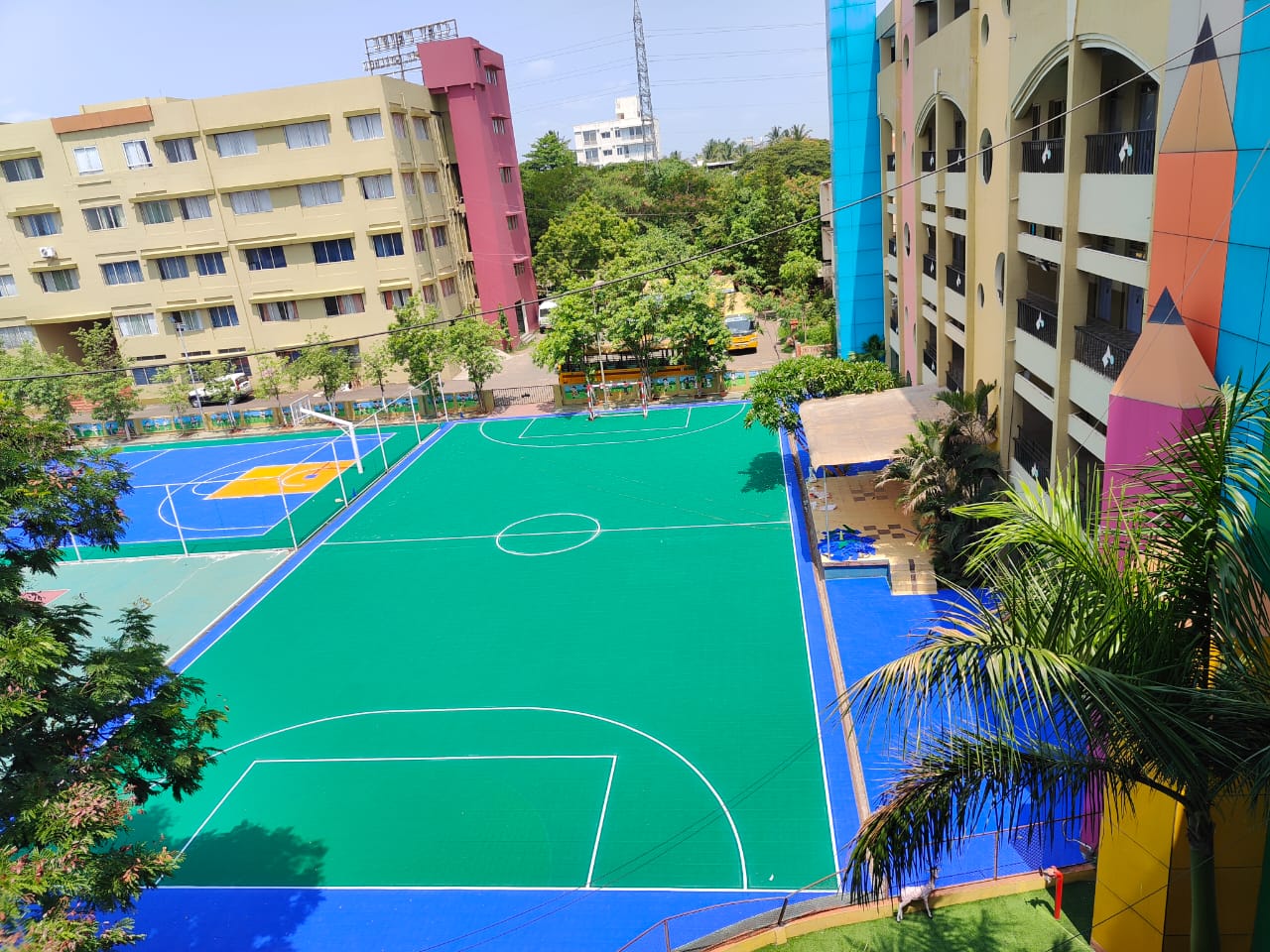
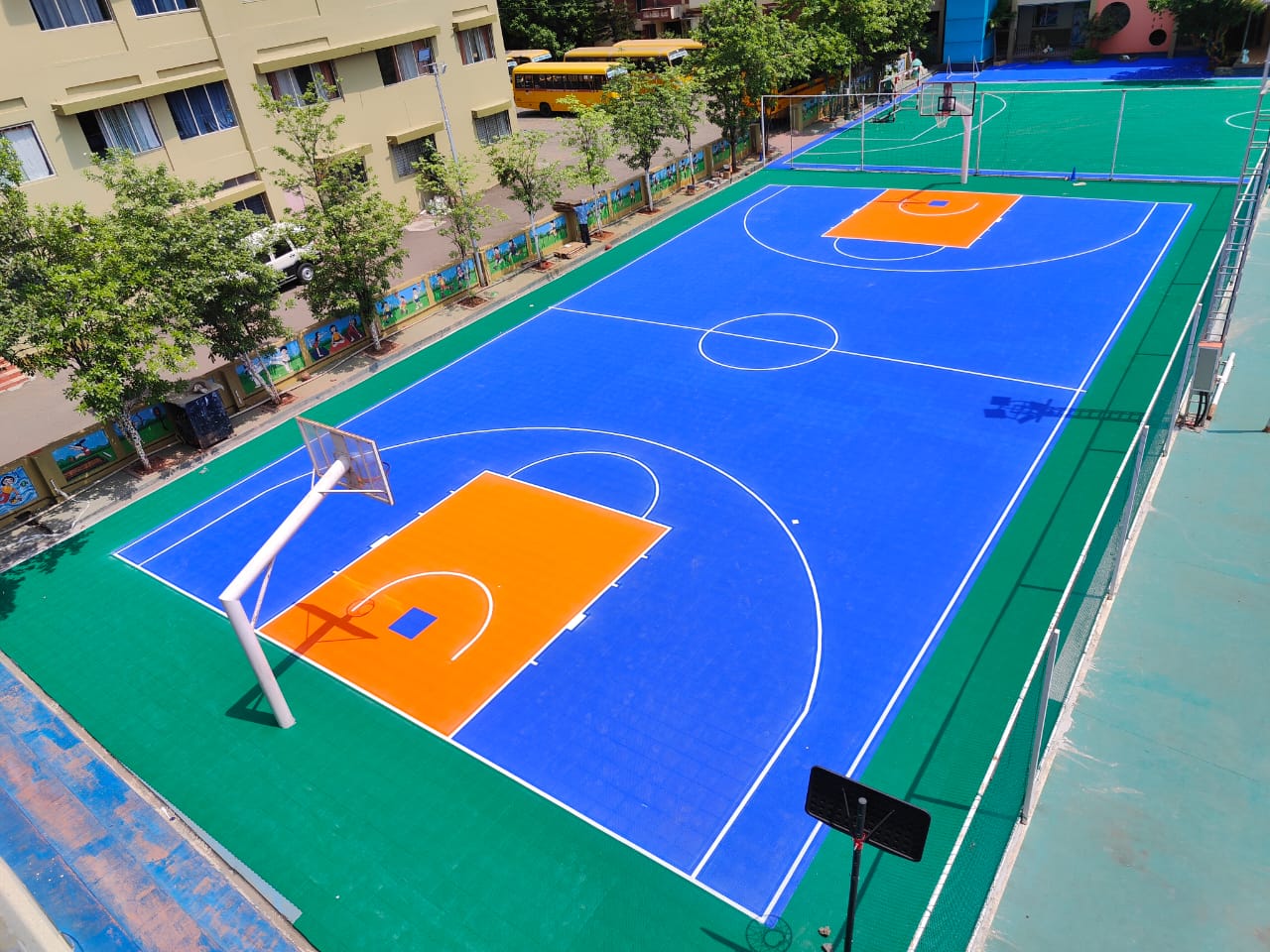
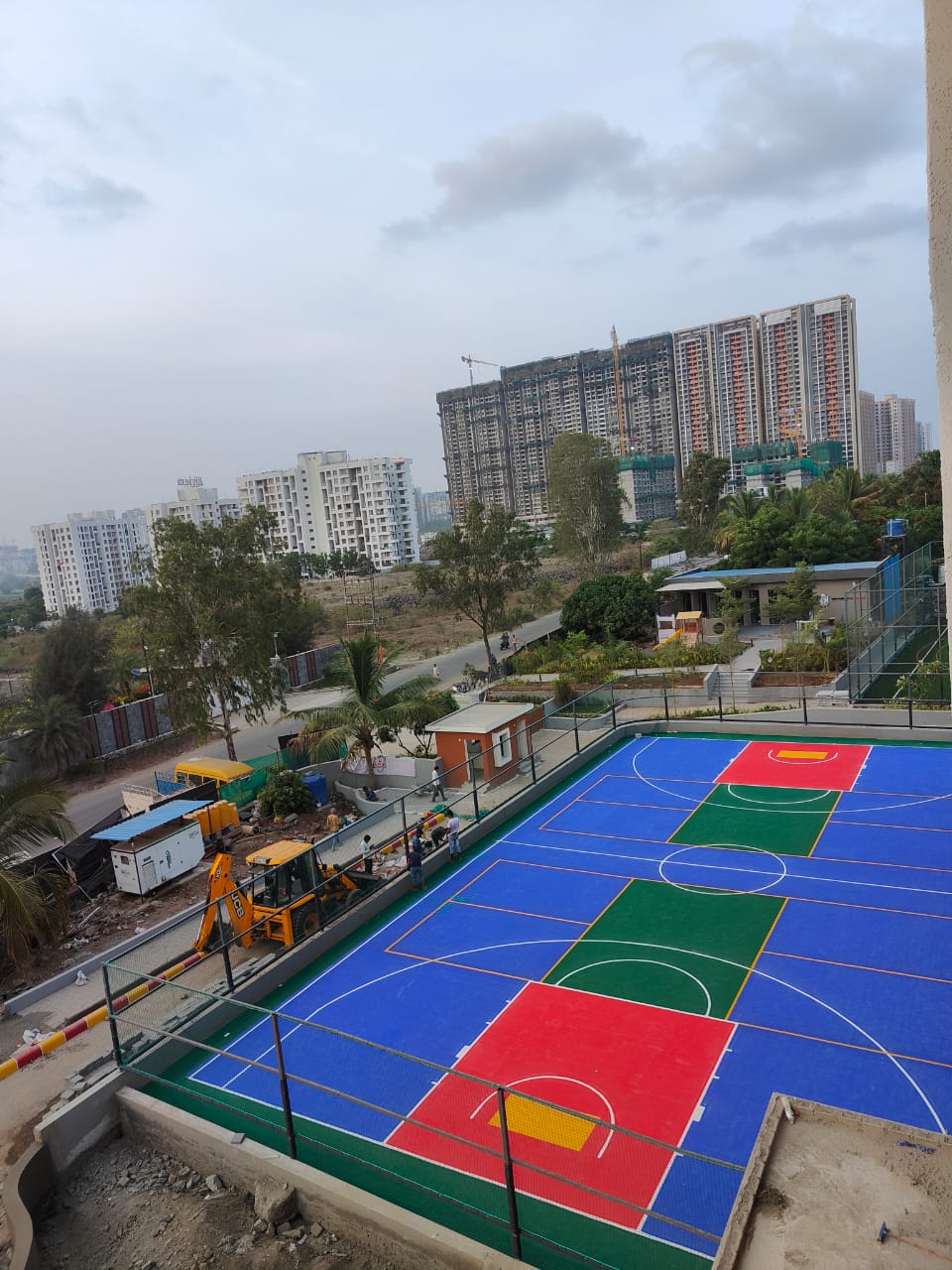
Engineered for multi-sport use—basketball, tennis, pickleball, badminton, futsal, and more—PP tiles transform open areas into professional-grade courts within hours. Their interlocking system makes installation quick and straightforward, while also allowing easy replacement of single tiles in case of damage, ensuring long-term cost efficiency.
Unlike rigid concrete or heavy-poured acrylic, PP tiles offer controlled surface grip, excellent shock absorption, and consistent ball response, making play safer and more enjoyable for athletes of all ages. Their weather resistance ensures year-round usability, whether under harsh sun or after rain, without cracks, fading, or warping.
Low on maintenance and high on durability, PP interlocking tiles can withstand years of intense play while retaining their vibrant color and performance quality. With a lifespan of 10-15 years, they stand out as a future-ready sports flooring solution, delivering unmatched flexibility, ease of upkeep, and reliable playability.

Our Best Products for PP Interlocking tiles
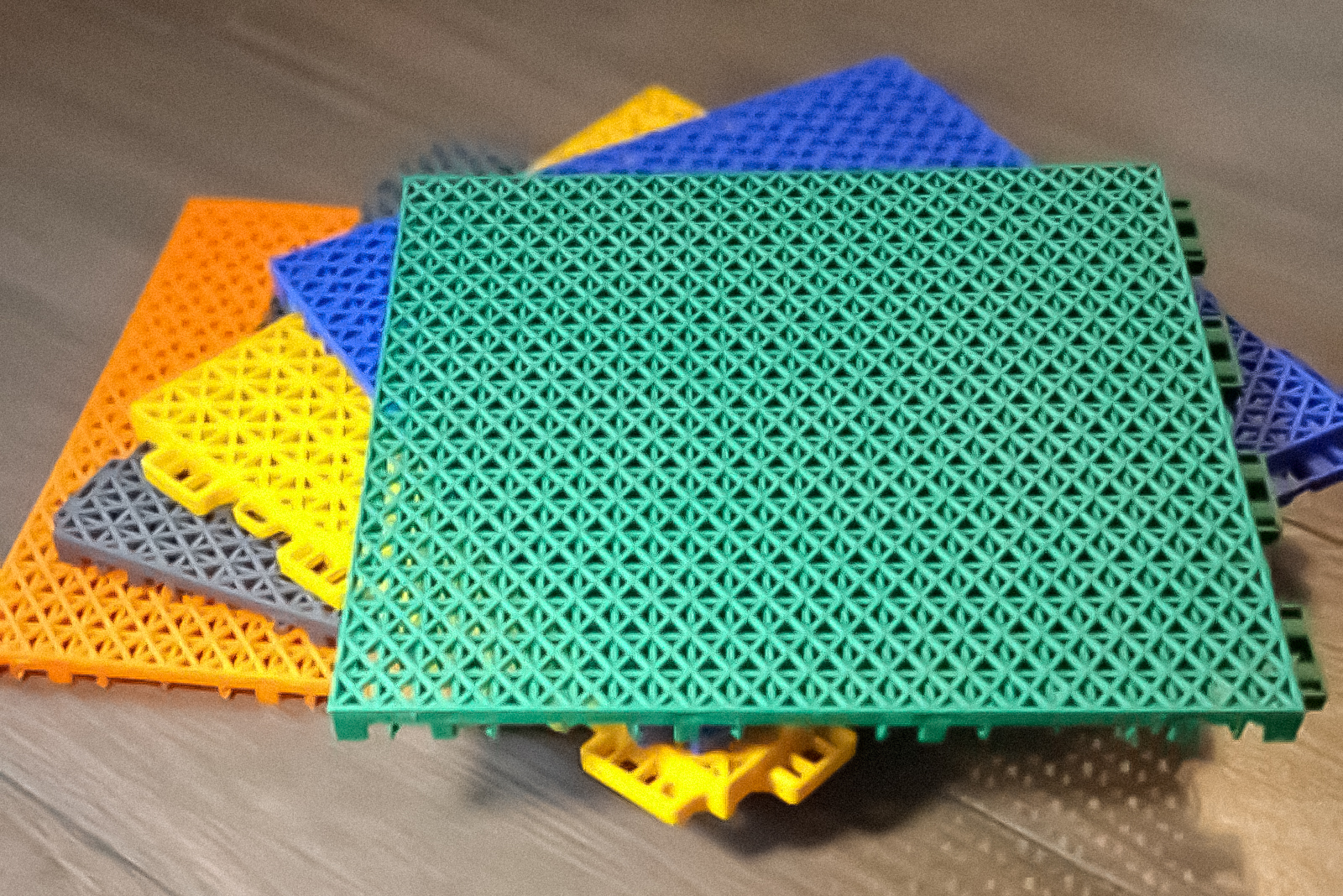
PP Interlocking Tiles
Size - 304.8 x 304.8 mm
Height - 15.8 mm
Weight - 290g
Pressure Point - 907/sqft
Use Case - Basketball, Tennis, Volleyball, Pickleball, Badminton, Futsal
Certification - N/A
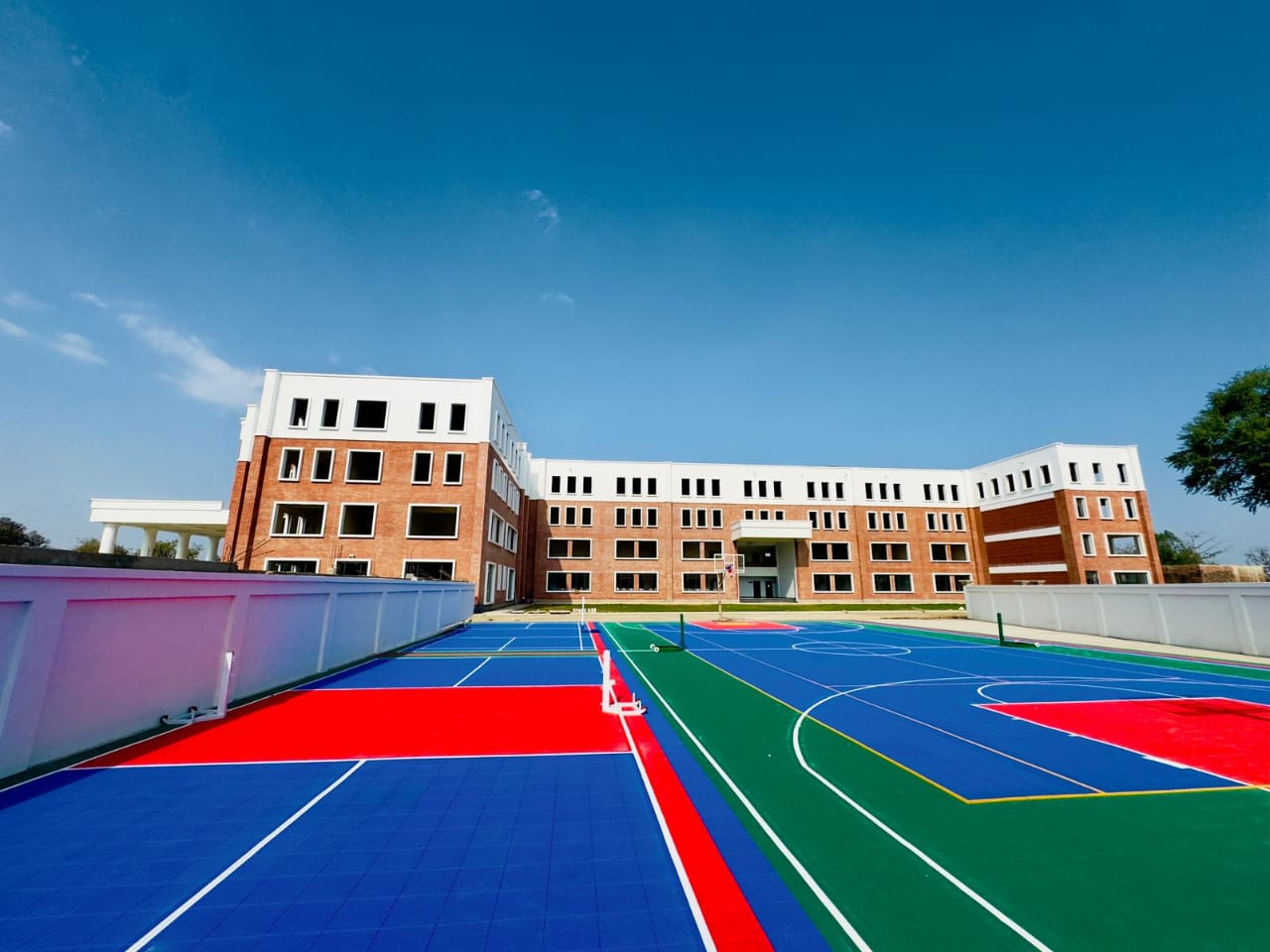
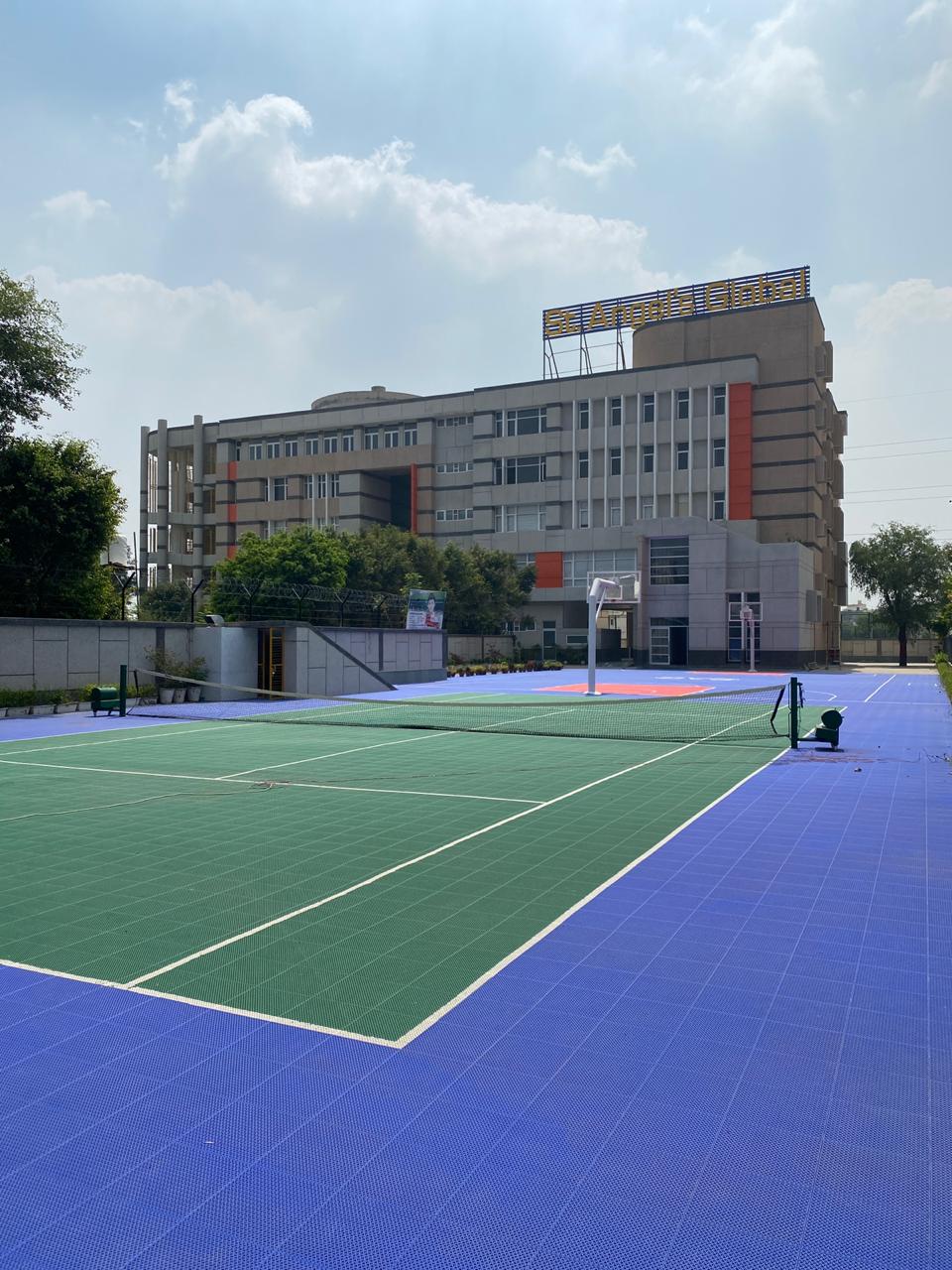
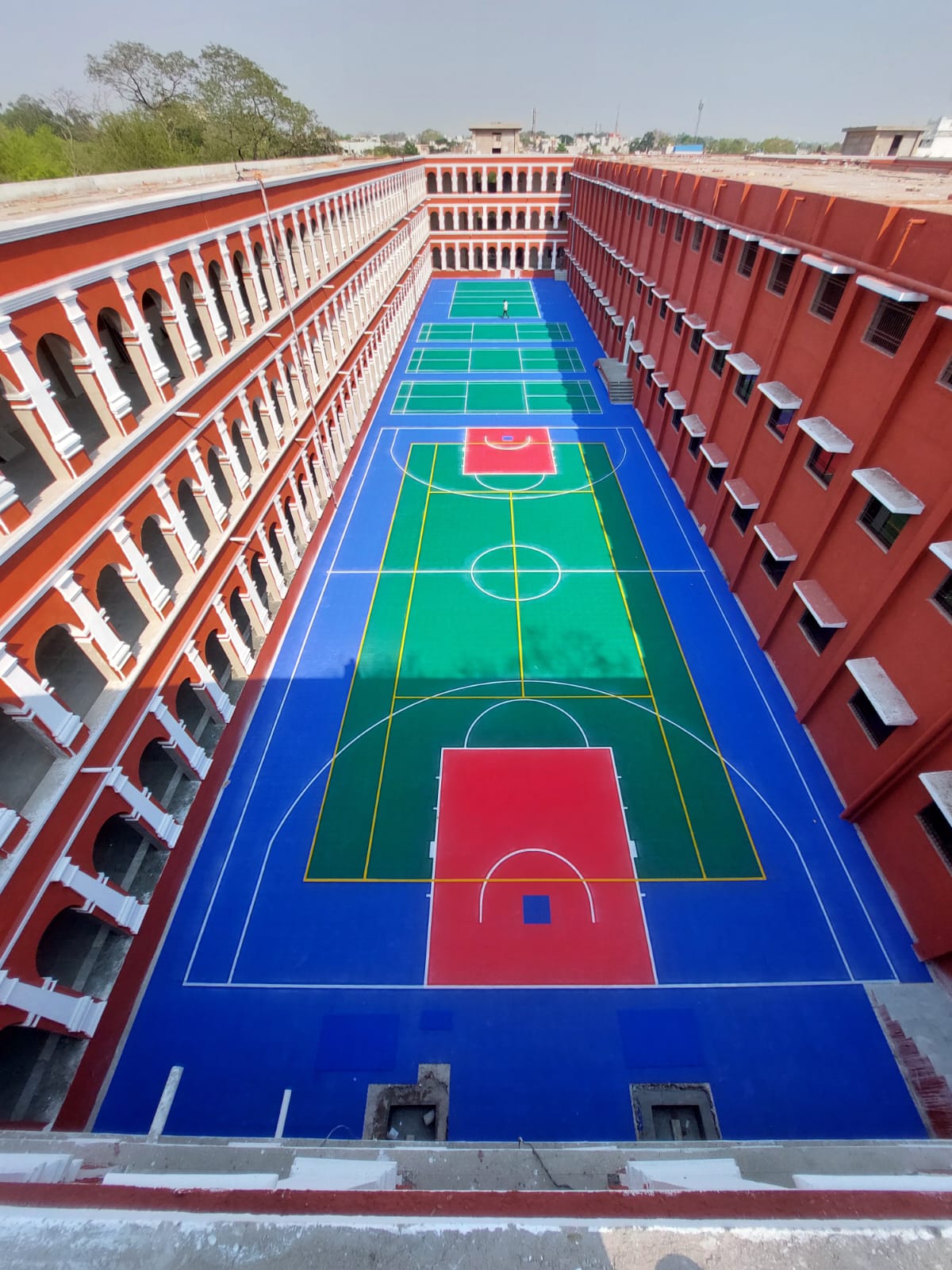
Gallery of featured work
Faucibus scelerisque eleifend donec pretium vulputate sapien. Nec sagittis aliquam dui nunc mattis enim.
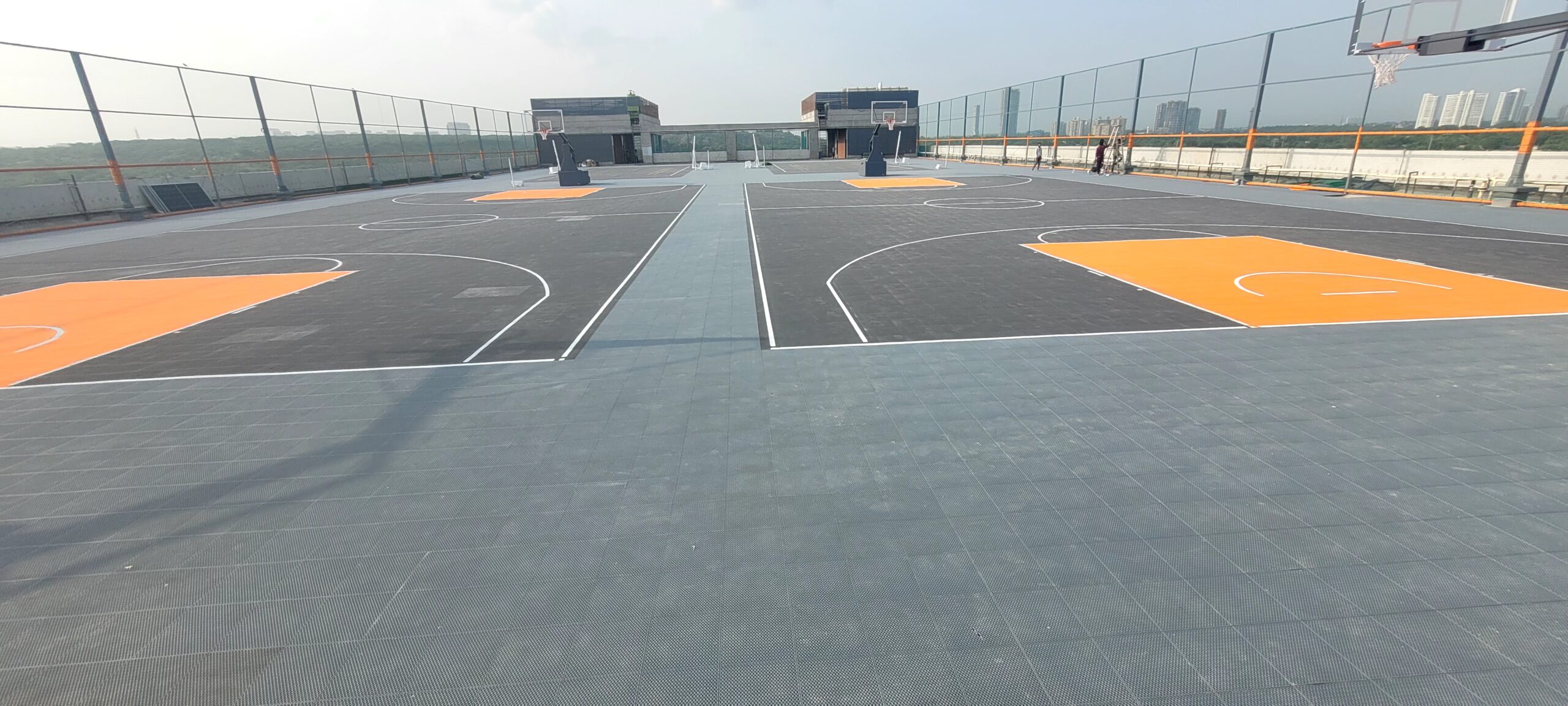
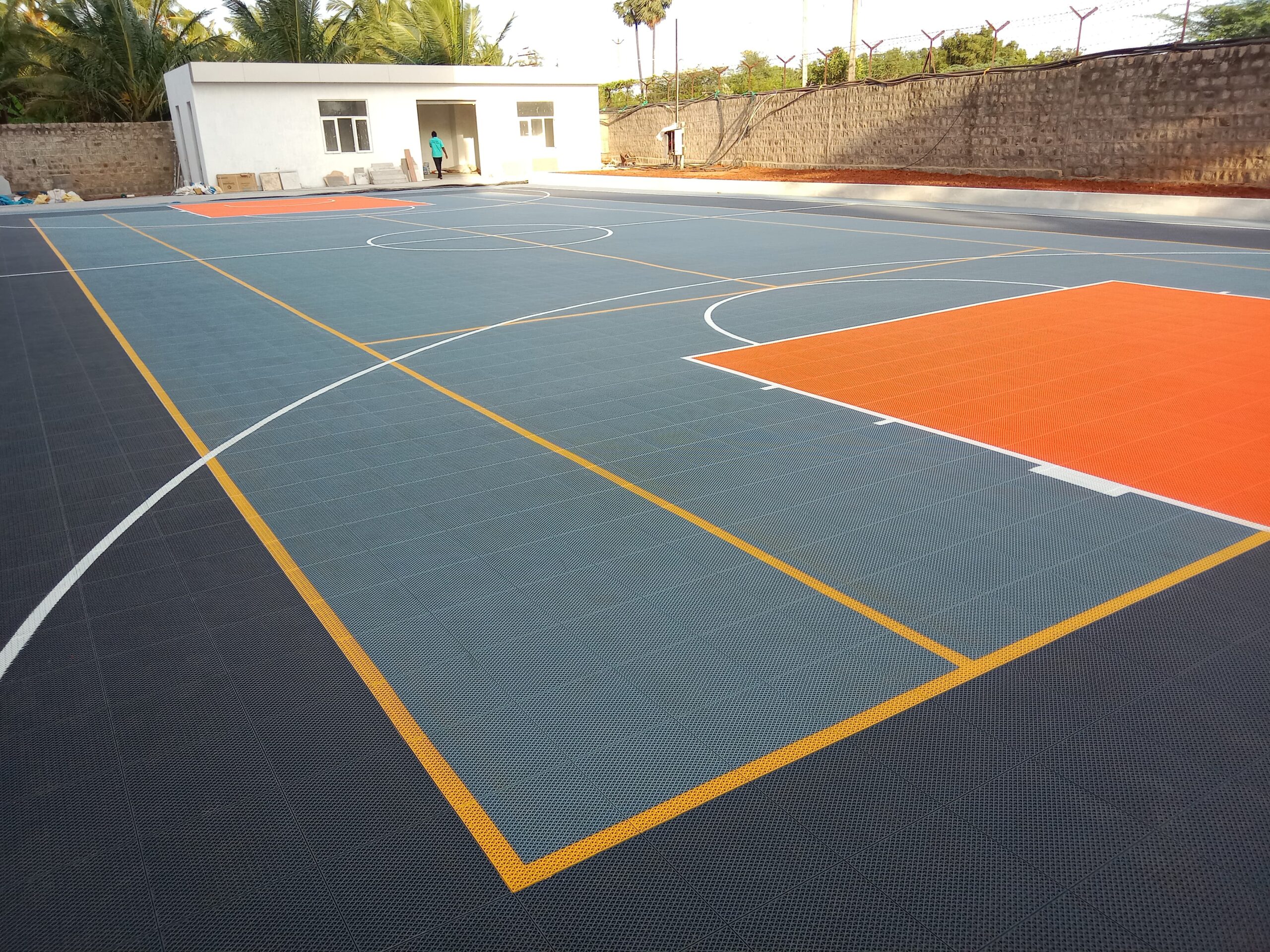
Frequently asked questions
1. How long do PP interlocking tiles last?
With proper installation and care, PP tiles typically last 10-15 years, even with regular play and exposure to weather.
2. Are they suitable for outdoor use?
Yes. PP tiles are UV-resistant, water-resistant, and designed to withstand sun, rain, and temperature fluctuations without cracking or warping.
3. How is the maintenance compared to other surfaces?
Very low. Simple sweeping or washing is enough to keep the surface clean. Individual tiles can be replaced easily if damaged, avoiding expensive resurfacing.
4. Do PP tiles require a specific base?
They need a hard, level base such as concrete, asphalt, or compacted stone. A solid foundation ensures long-term stability and performance.
5. How do PP tiles impact player safety?
The tiles provide controlled grip, anti-slip texture, and slight shock absorption, reducing the risk of slips, trips, and joint strain.
6. Can the tiles be installed and removed easily?
Yes. Installation is quick (often within hours) without heavy machinery, and the tiles can be dismantled and relocated, making them highly versatile.
7. What are pressure points in PP tiles?
Pressure points are small load-bearing nodes underneath each tile that distribute weight, absorb impact, and provide surface stability.
8. Why does the number of pressure points matter?
A higher number of pressure points spreads the load more evenly, reducing stress on individual tiles and ensuring long-term durability. They provide improved shock absorption, reducing impact on players’ joints
9. How do more pressure points improve player safety?
With more contact points, the tile offers better shock absorption and controlled flexibility, which reduces strain on joints and minimizes the risk of slips or injuries.
10. Do more pressure points make tiles more durable?
Yes. More points prevent sagging, cracking, and warping by reducing concentrated stress. This significantly extends the life of the tiles, especially under heavy or prolonged use.