About Volleyball
Volleyball is a high-intensity, low-footprint sport that builds explosive power, lateral agility, vertical leap, coordination and teamwork. It’s ideal for schools and clubs because it adapts to small and large spaces, suits mixed-age groups, and promotes both fitness and social skills. Choosing the right court surface directly affects player performance, safety and long-term running costs — from jump landings and quick lateral cuts to repeated dives and landings.

Our Best Products for Volleyball Courts
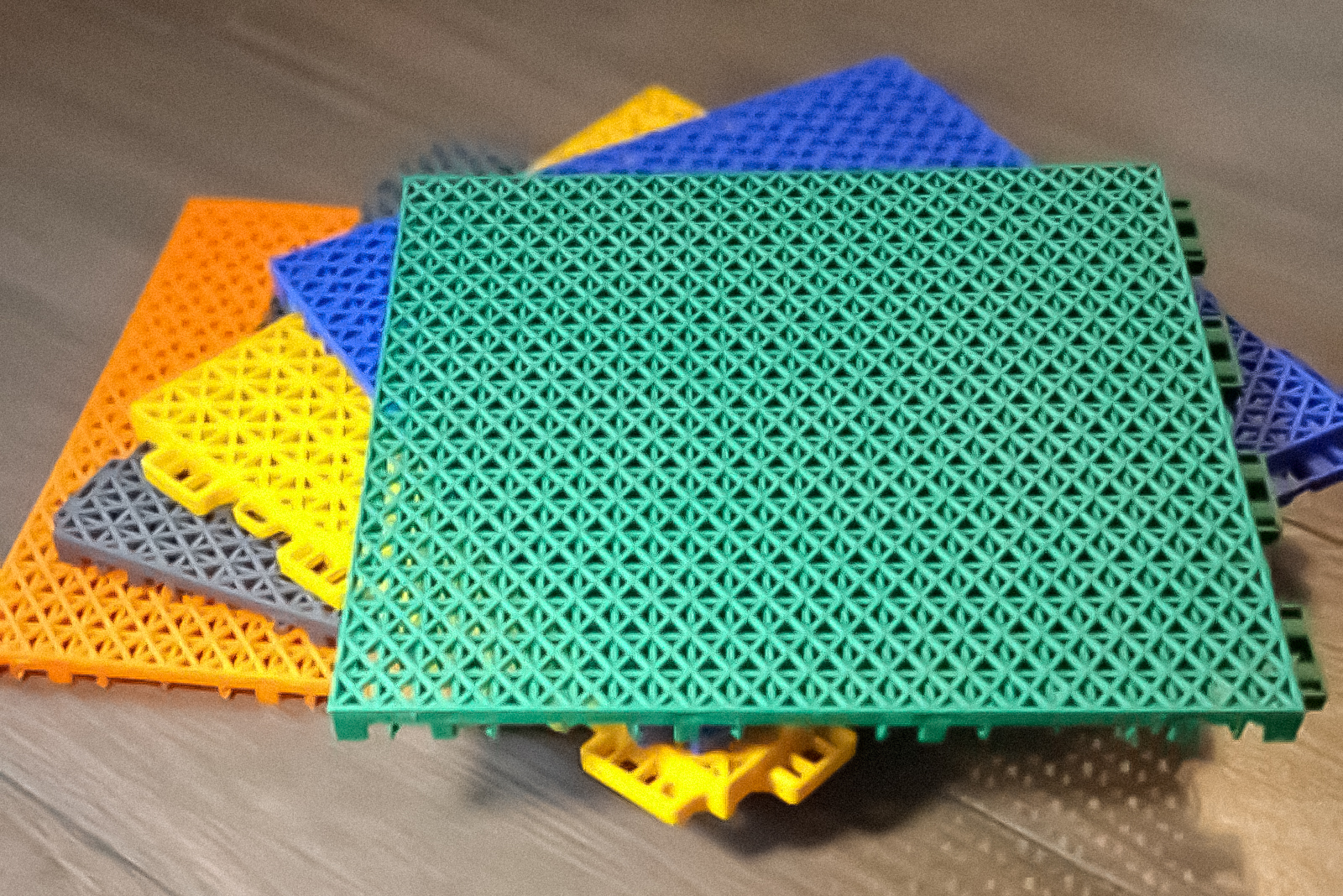
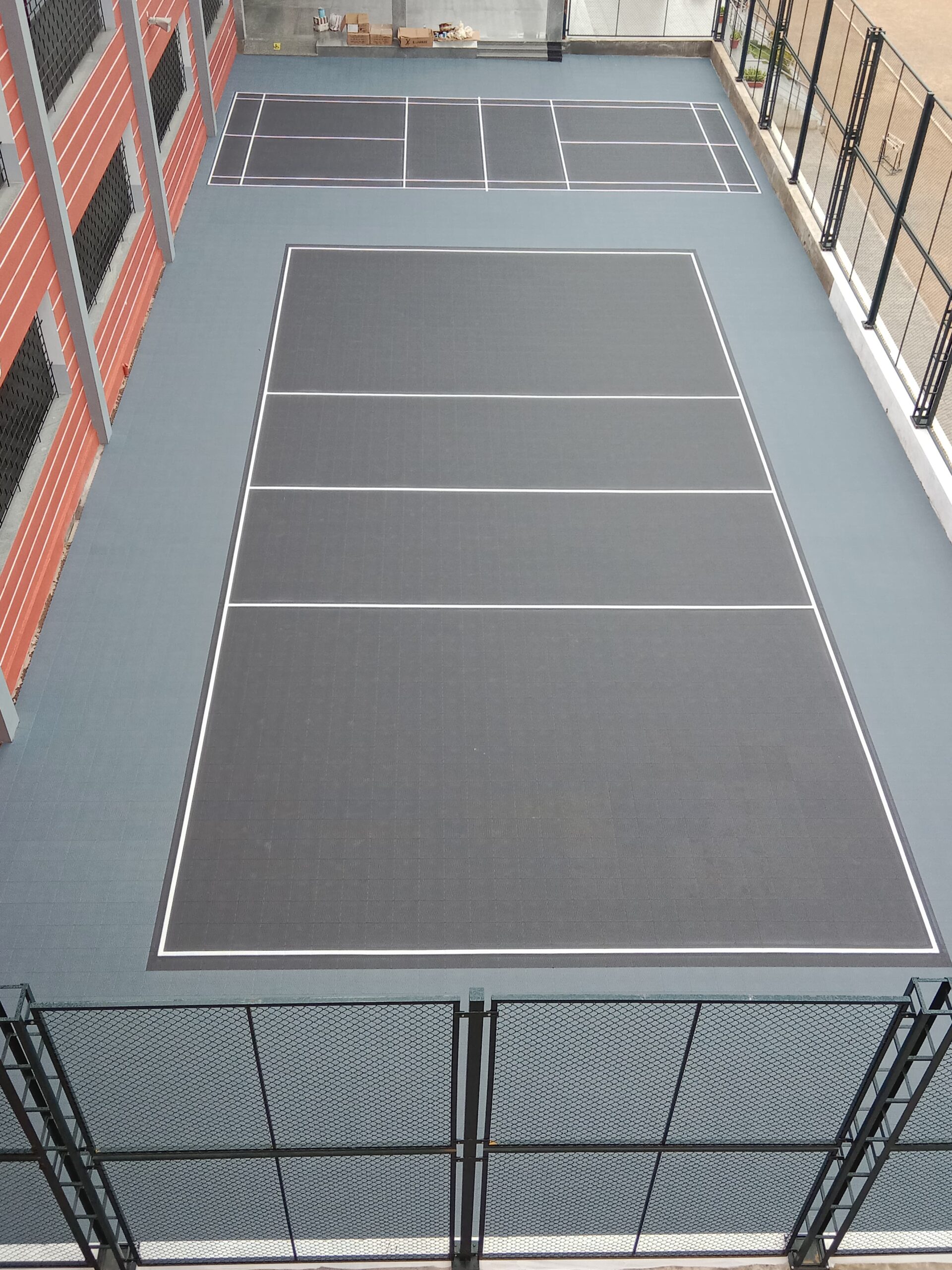
PP Interlocking tiles
Modular and easy to install on level outdoor bases. They provide consistent traction for quick lateral movement, excellent shock absorption for safe landings, and minimal maintenance, making them perfect for schools and community courts.
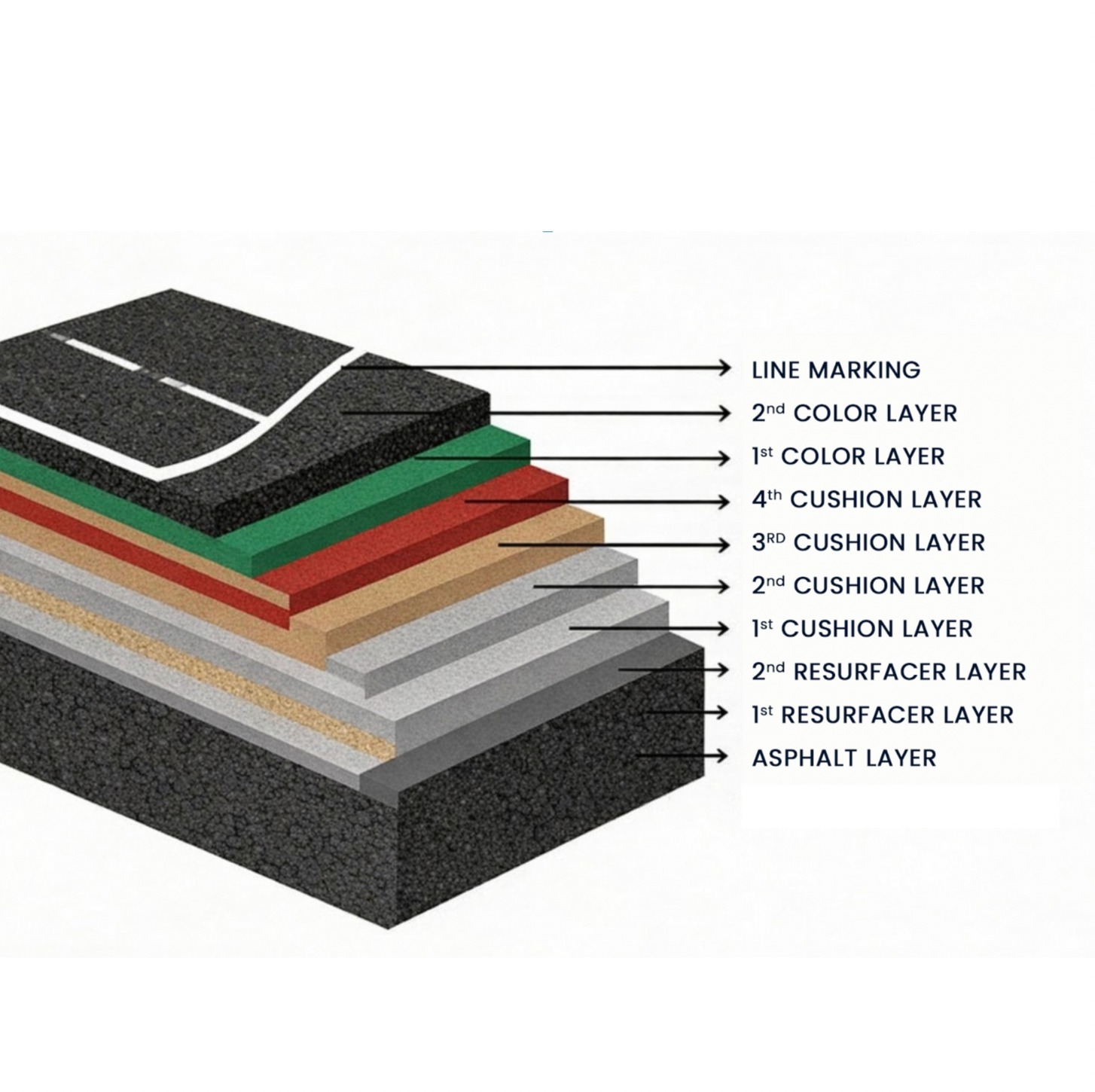
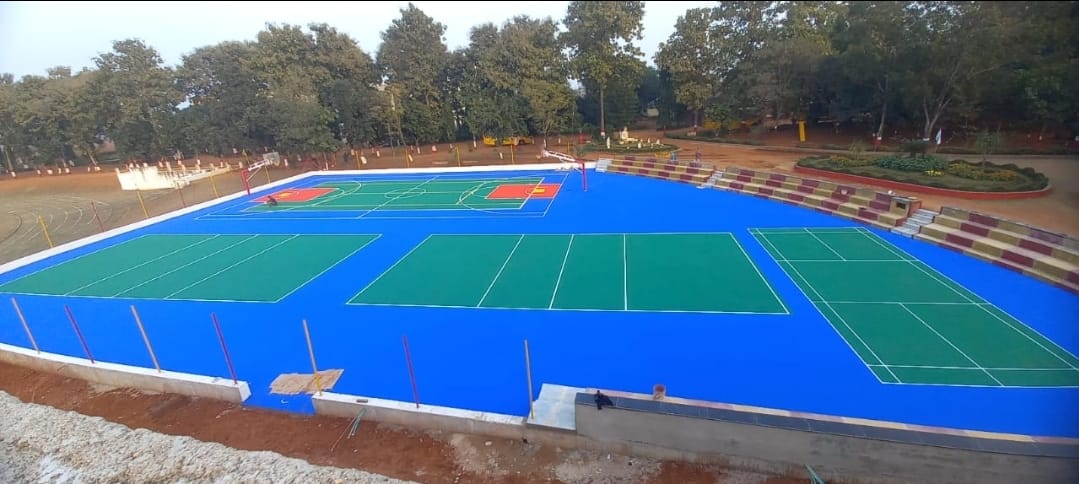
Acrylic Surface
Deliver firm, consistent play with excellent traction and energy return, suitable for outdoor competitive volleyball. They are cost-effective, and offer reliable performance for frequent use. But require resurfacing every few years
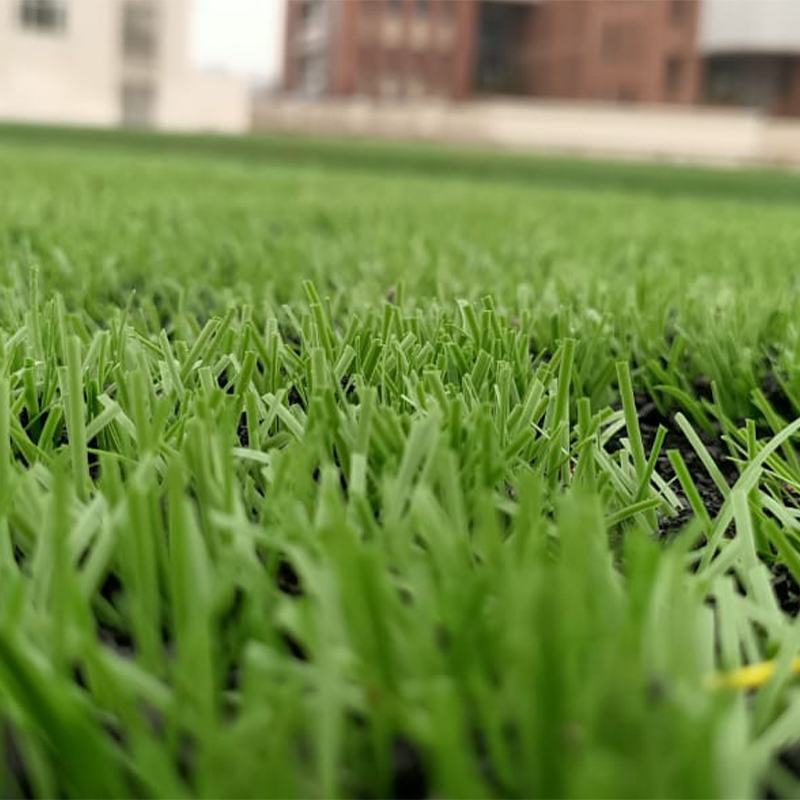
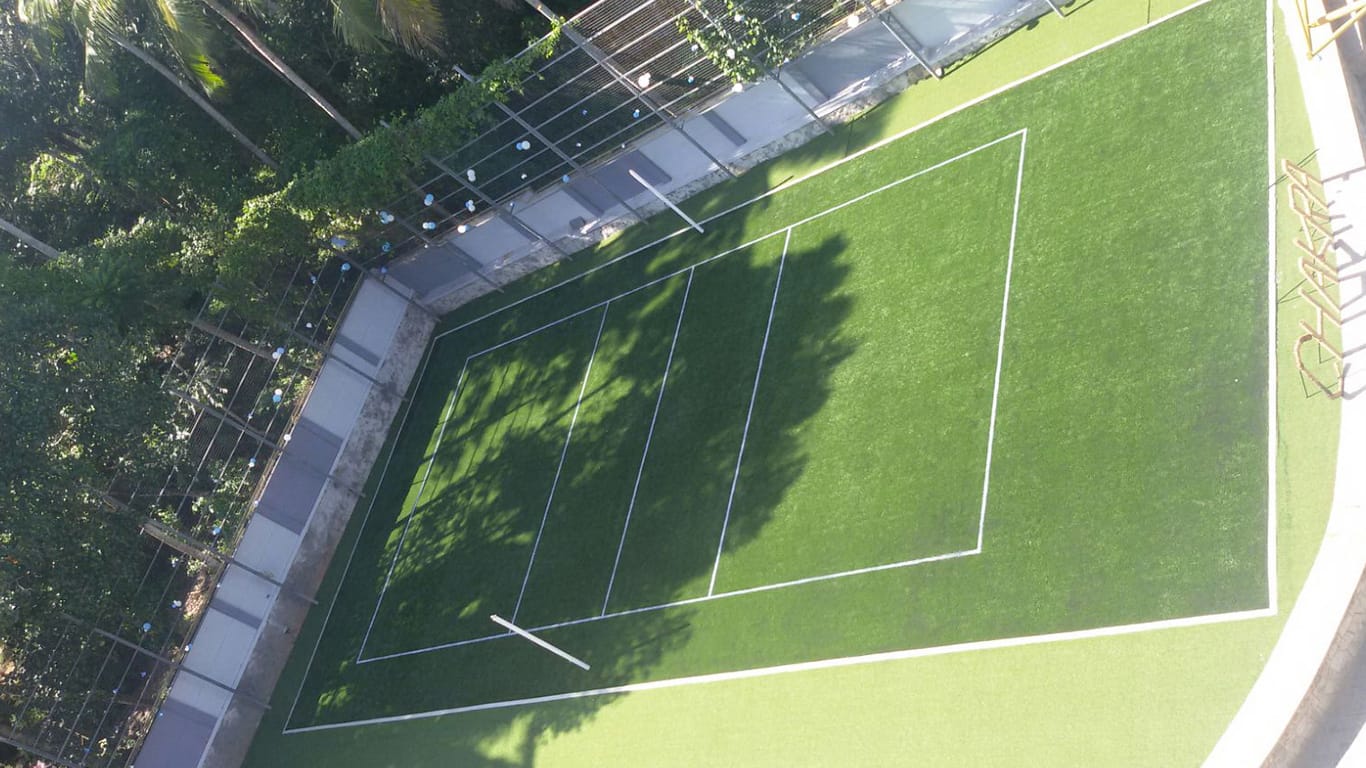
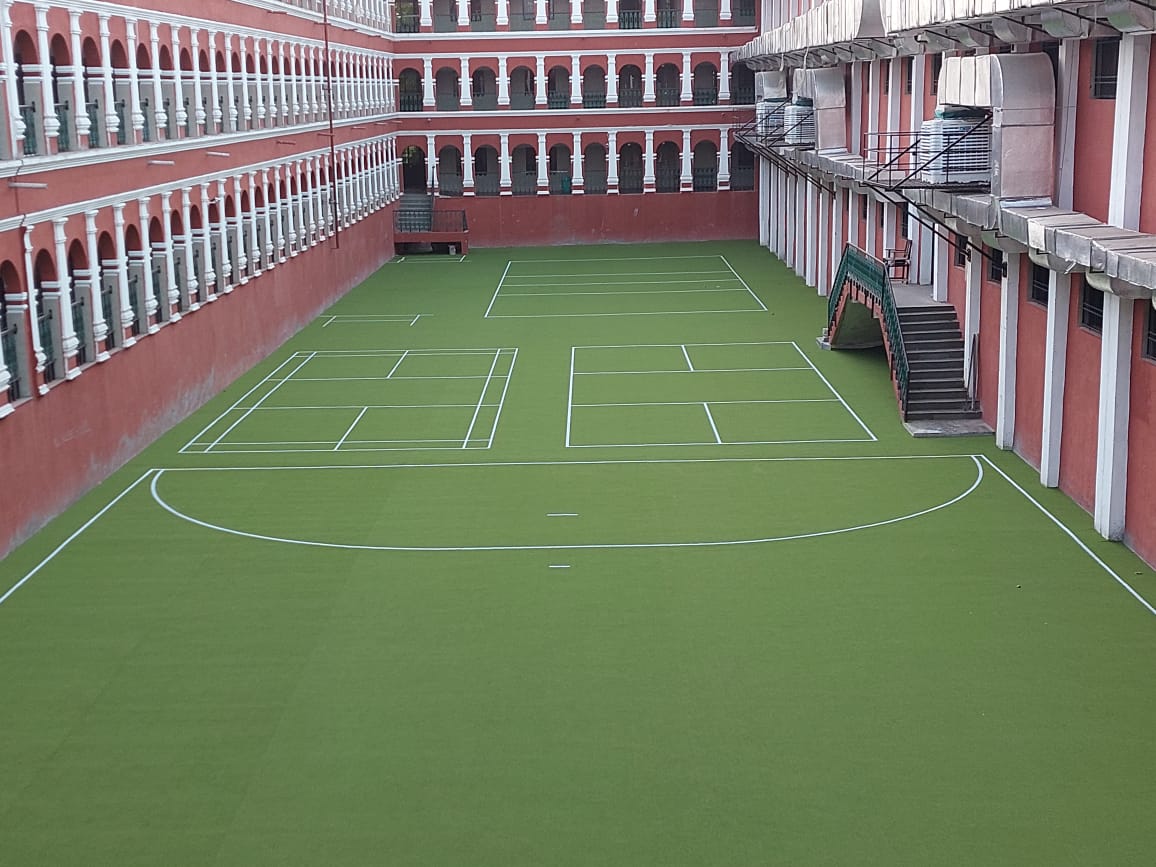
Astroturf
Ideal for outdoor or multi-use volleyball courts, providing a cushioned surface that reduces abrasions during dives and slides. It drains well after rain, is low-maintenance, and durable, making it a good choice for recreational play and school grounds.
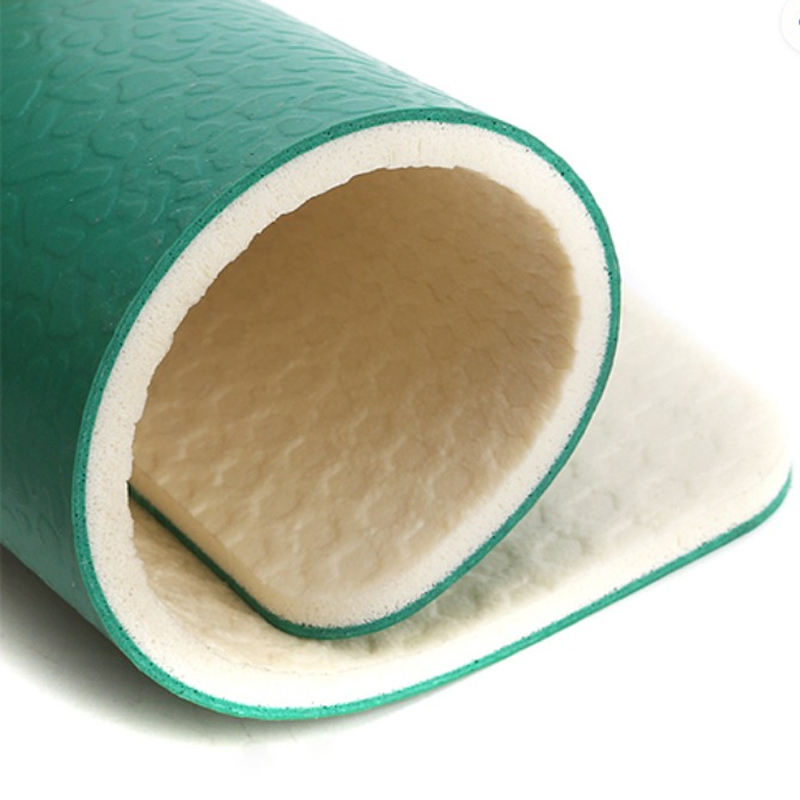
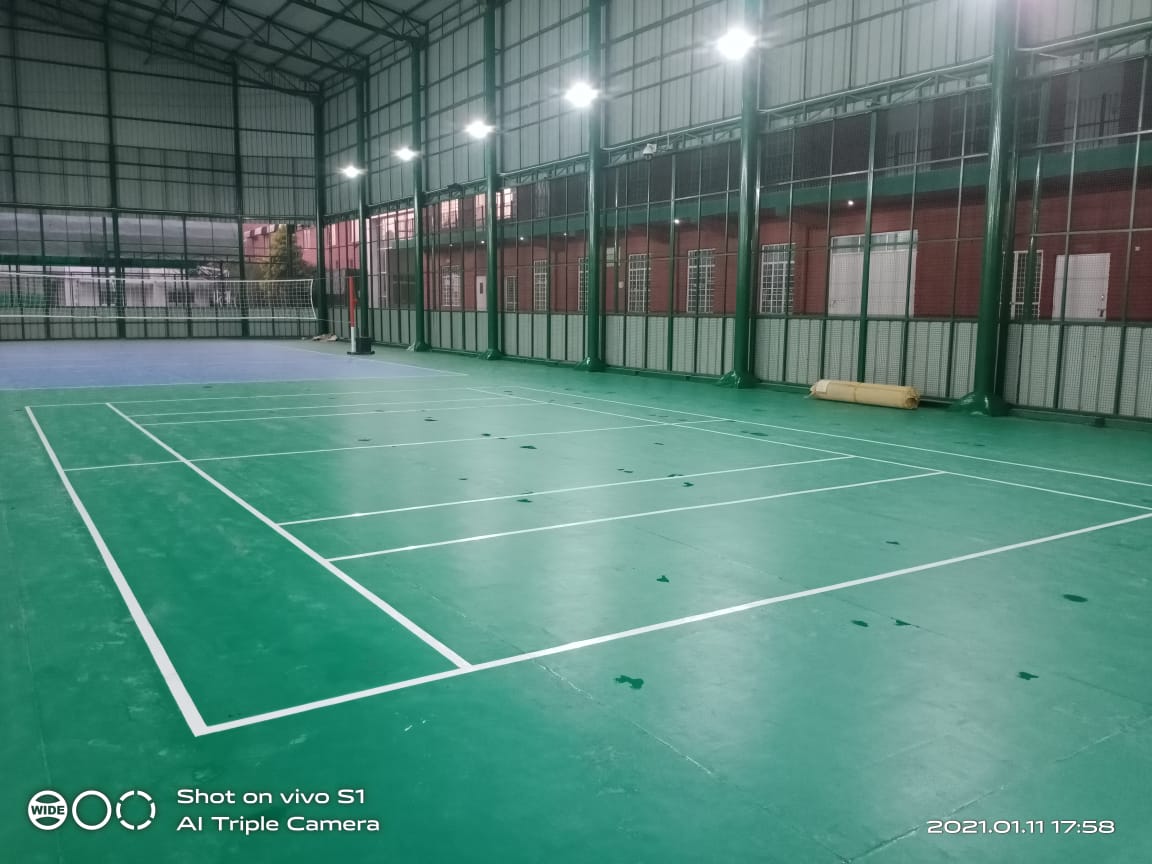
Vinyl Flooring
Premium indoor option, combining superior shock absorption with consistent grip and durability. It protects joints during repeated jumps and dives, supports professional-level play, and requires regular cleaning and moisture management for longevity.
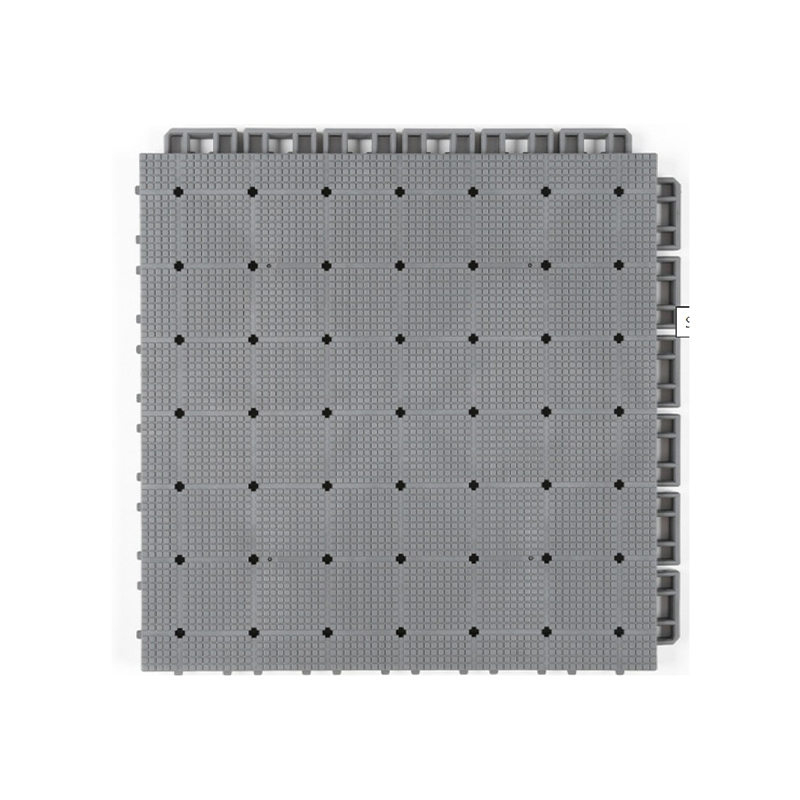
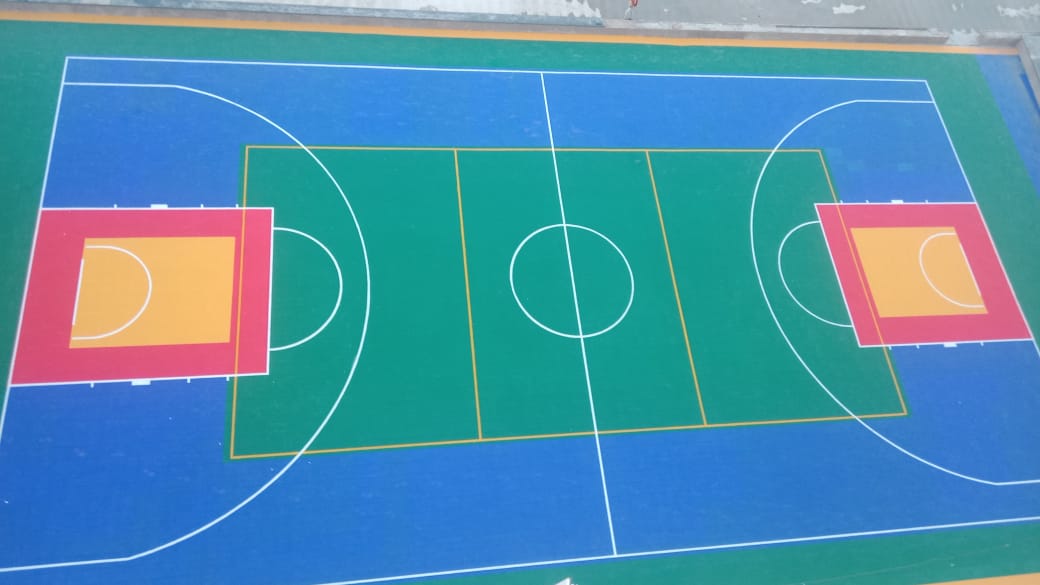
SES/TPE tiles
Made from elastic, high-quality polymers, SES/TPE tiles offer strong shock absorption and excellent slip resistance. They are modular, easy to replace, and deliver a safe, consistent playing experience for all levels of basketball.
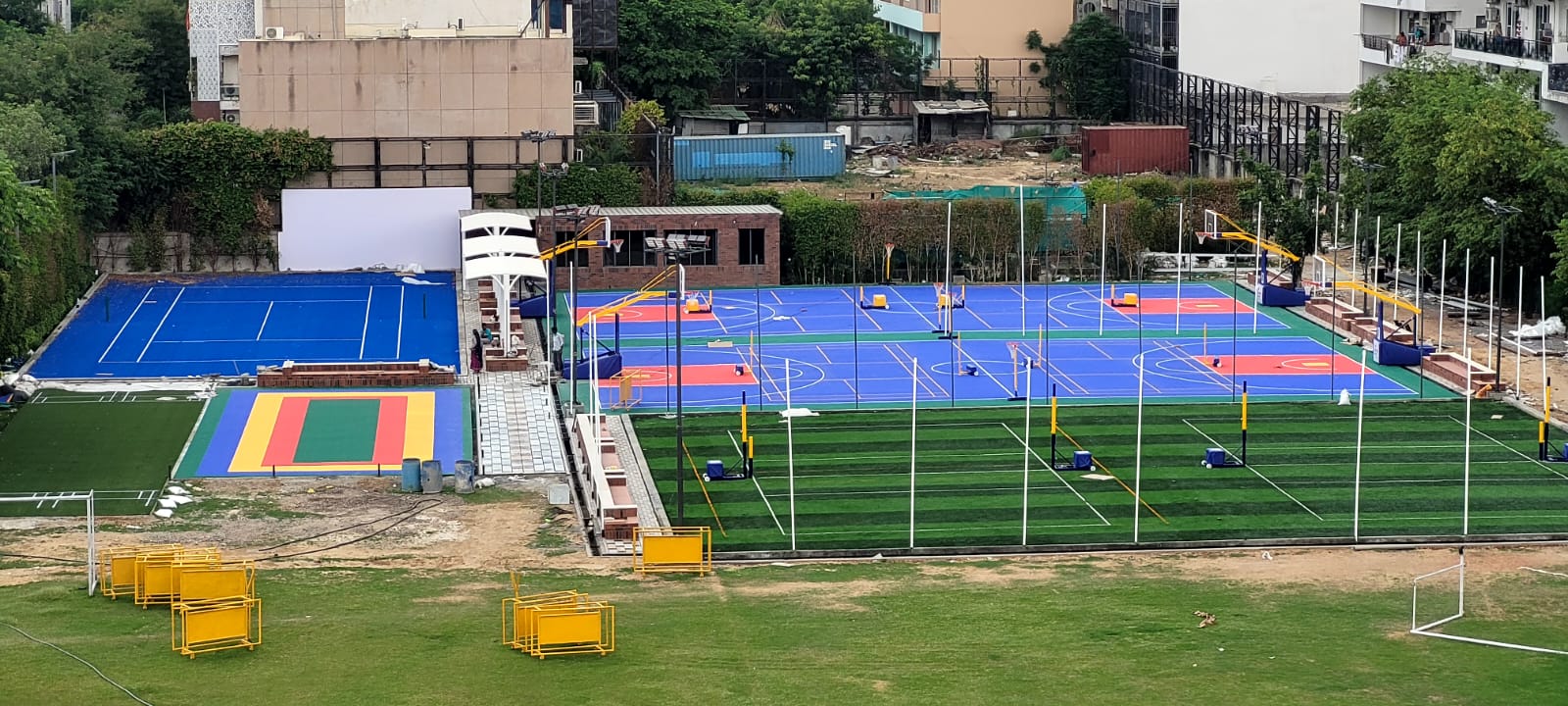
Gallery of featured work
Frequently asked questions
1. Which surface is better for indoor vs outdoor volleyball?
Vinyl is preferred indoors for cushioning and grip, while PP tiles, acrylic, or astroturf are suitable for outdoor use depending on recreational or competitive needs.
2. How does cushioning impact player safety?
Proper cushioning reduces strain on knees and ankles, minimizing injuries from jumps and dives. Vinyl and thicker tile systems offer the best shock absorption; astroturf provides moderate cushioning, while acrylic is firmer.
3. What maintenance is required for each surface?
PP tiles: sweep, hose, replace damaged tiles.
Astroturf: brushing, debris removal, occasional infill.
Acrylic: periodic cleaning and resurfacing.
Vinyl: cleaning, moisture control, and careful protection.
4. How long does a volleyball court surface last?
Acrylic: 3–6 years with regular resurfacing
Astroturf: 7–10 years
PP Tiles: 10+ years
Vinyl – 5-7 years
5. Which surface requires the least maintenance?
PP tiles, Astroturf and Vinyl flooring need minimal upkeep, while acrylic courts may require resurfacing every couple of years with heavy use.